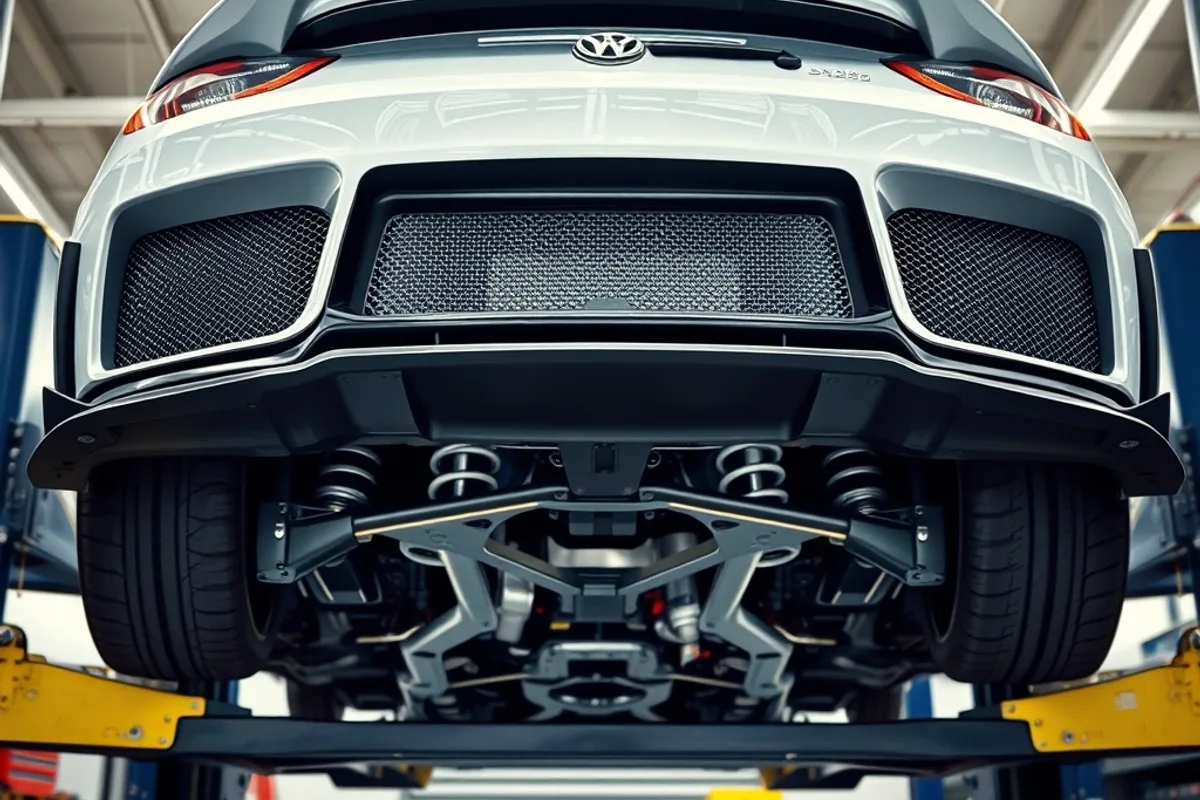
A car does not fail at 100,000 miles because of one dramatic event. It fails because a fluid was never changed, a belt was inspected by hope and a cooling system was allowed to run on original coolant. The good news is that the work is predictable and mostly inexpensive when it is planned.
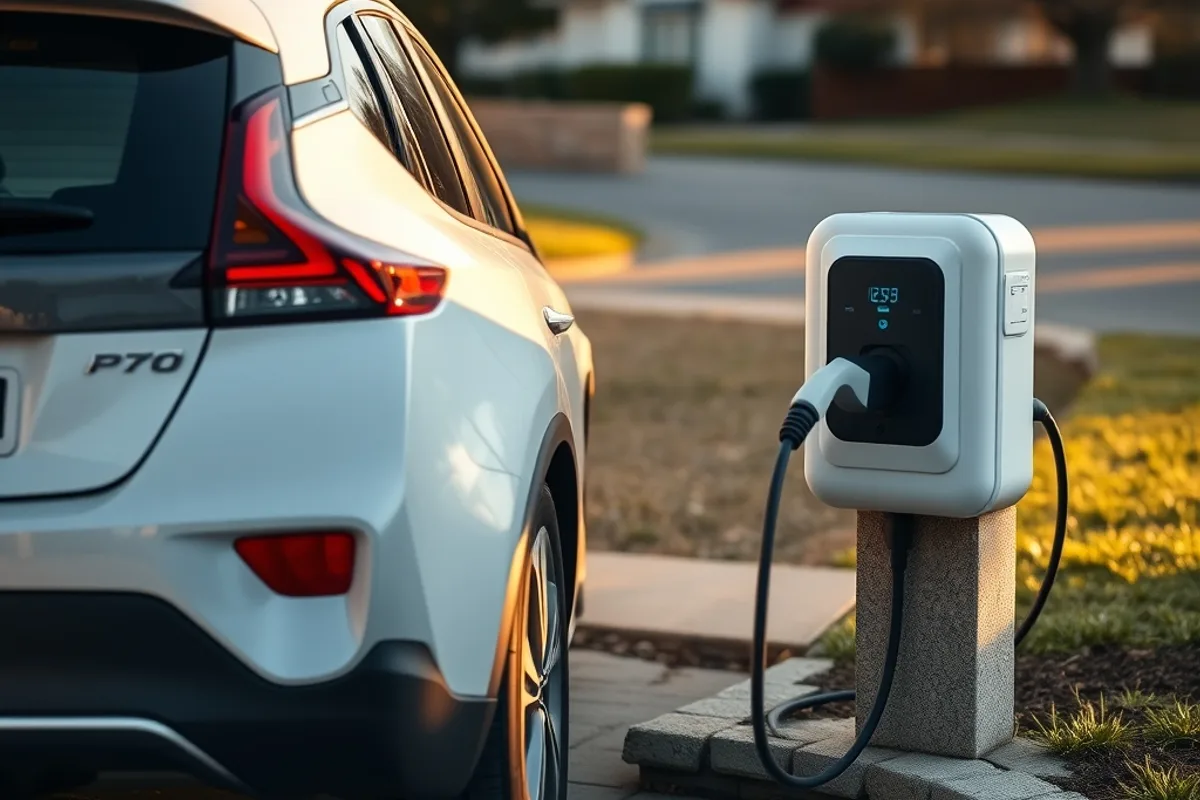
This plan assumes a modern petrol or diesel car with a conventional automatic or manual gearbox. Electric cars need a different schedule, covered on our technology desk. Intervals below are conservative for a car that is kept for another five years.
Fluids first, always
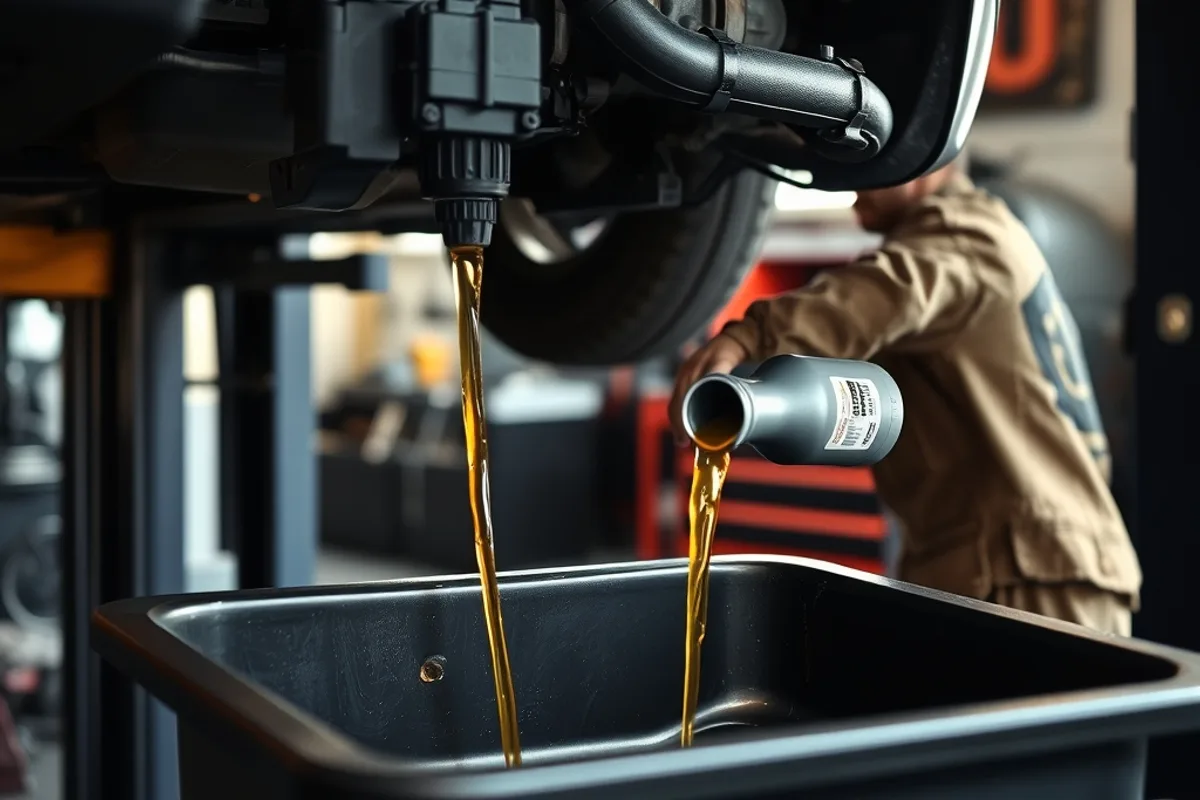
Engine oil and filter every 10,000 to 15,000 kilometres, or once a year if you do mostly short trips. Short trips are the harsh case: the engine never reaches full temperature, fuel dilutes the oil and moisture stays in the sump. If your commute is under ten minutes, change oil on the time interval rather than the distance interval.
Brake fluid every two years regardless of mileage. It absorbs water, which lowers its boiling point and corrodes the calipers from the inside. Coolant according to the manufacturer specification, often five to ten years, but inspect the level and colour at every service. Transmission fluid every 60,000 to 80,000 kilometres on a conventional automatic; many “lifetime fill” claims assume a lifetime shorter than yours.
Belts, chains and the tensioner
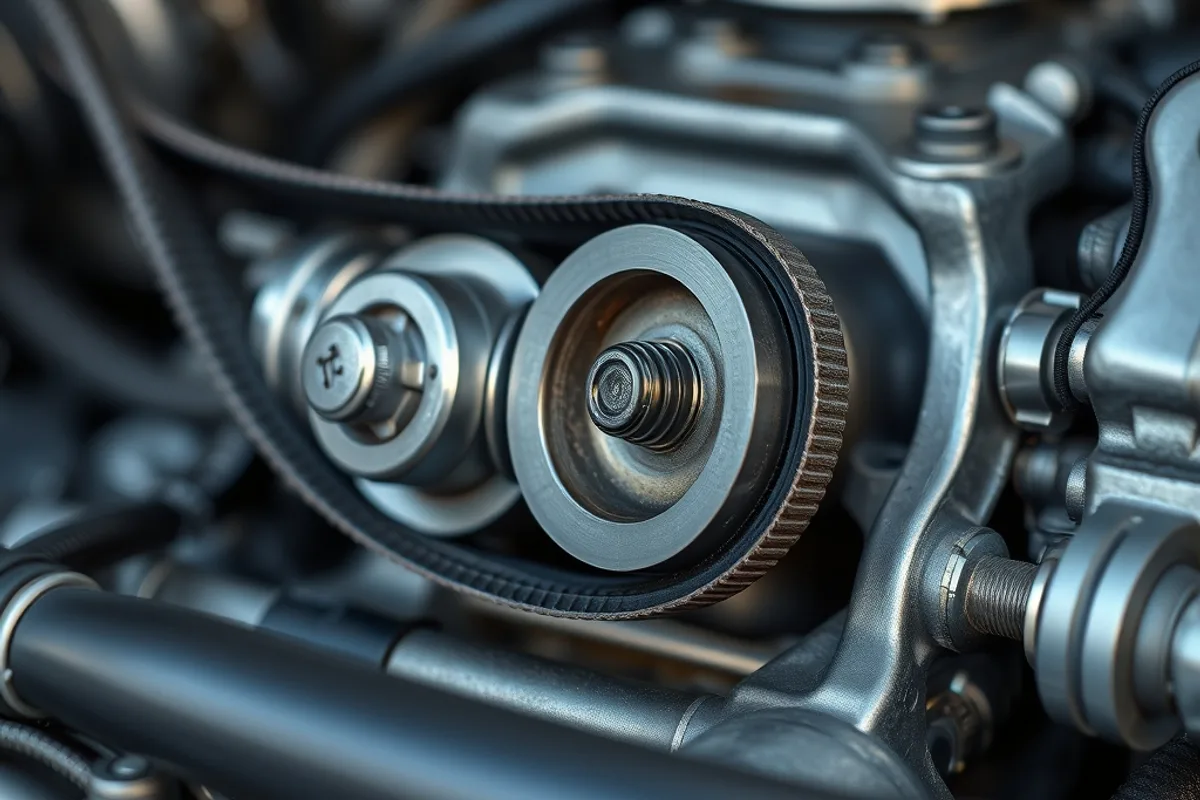
A timing belt is a service item with a known interval, usually 90,000 to 120,000 kilometres or five to seven years. Replace the water pump and tensioner at the same time. The extra parts cost little compared with a second strip-down, and a seized water pump can take the belt with it.
Timing chains last longer but are not immortal. A cold-start rattle, a check-engine light for cam timing or a noisy chain guide are warnings. Diagnose them early; a chain that jumps can destroy the engine.
Cooling, hoses and the pressure test
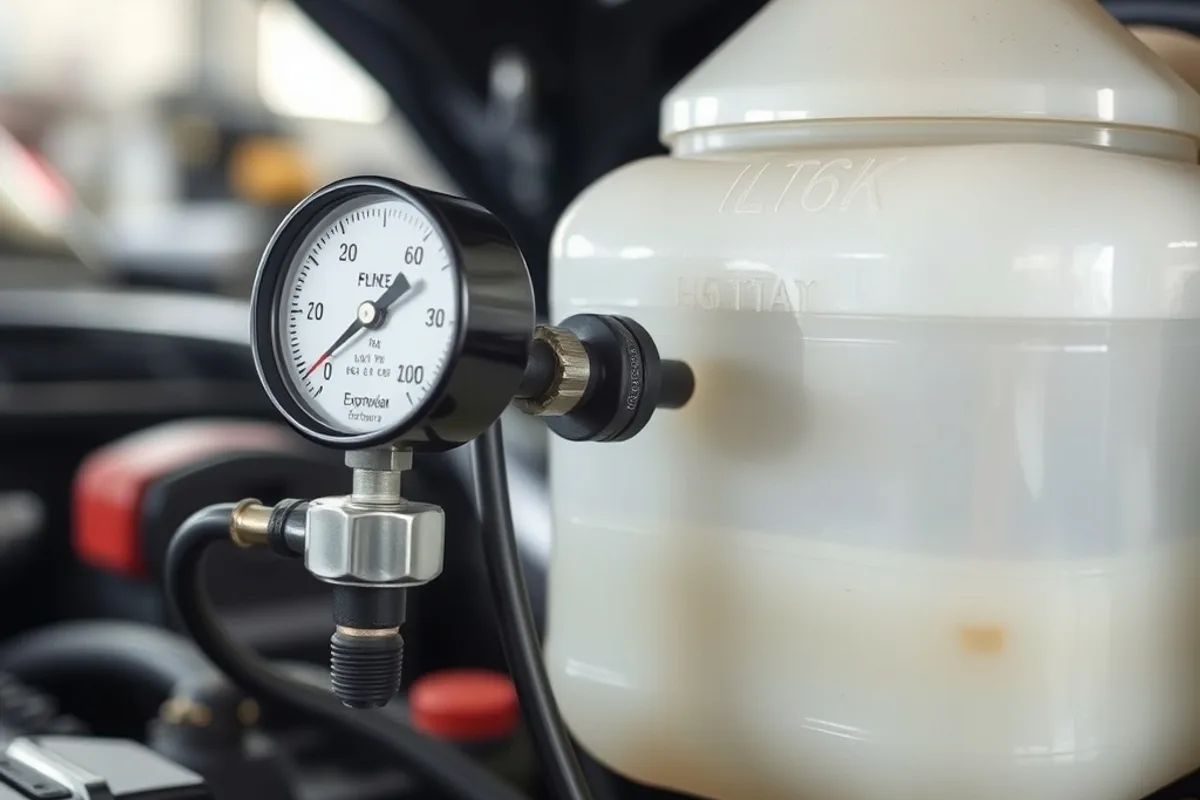
At 100,000 miles, replace the thermostat and inspect every hose. Rubber hardens and clamps lose tension. A pressure test takes fifteen minutes and finds seeps that a visual check misses. This is the cheapest protection against a head gasket repair.
Check the radiator fins for corrosion and the expansion tank for cracks. Plastic tanks become brittle with heat cycles. A replacement tank is inexpensive; an overheating engine is not.
Brakes and suspension
Measure pad thickness and rotor thickness rather than guessing from noise. Replace brake fluid on schedule and lubricate caliper slides. Seized rear calipers are common on cars that are driven gently, especially electric and hybrid models where the friction brakes are used less.
Inspect shock absorbers for leaks, top mounts for play and control-arm bushes for cracking. Worn dampers do not just hurt comfort; they lengthen braking distances and chew through tyres. A full suspension refresh at this mileage is often cheaper than replacing tyres twice.
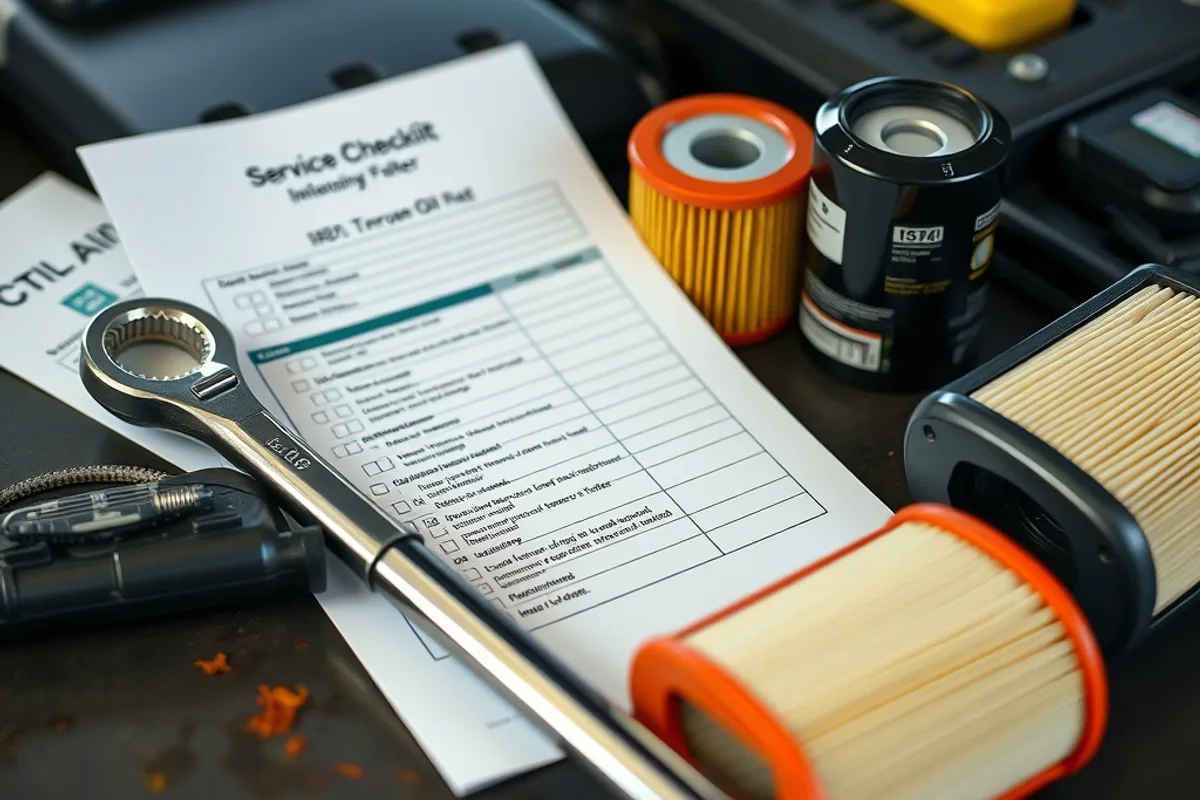
At 100,000 miles, the cheapest repair is the one you did at 70,000 because a checklist told you to.
What you can safely skip
Skip engine flushes, fuel-system cleaners sold as a cure-all, and any service that cannot explain what it removes or protects. Skip “premium” air filters unless the manufacturer specifies them. Skip extended oil intervals in a short-trip car.
Do not skip cabin filters if you have allergies, and do not skip brake fluid because the pedal feels fine. Feel is a poor test for water content.
Keep a record that means something
Keep receipts with the date, mileage and part number. A stamped book is nice; a folder of invoices is better. When you sell, the record answers the buyer’s real question: was this car maintained or merely cleaned?
Our Car Maintenance desk has the individual procedures. If you are deciding whether to keep or replace the car, the Car Reviews desk covers the ownership maths.