Lowering a car is the most popular modification and the easiest one to get wrong. The usual recipe, shorter springs on standard dampers, changes three things at once: ride height, suspension travel and the geometry that controls camber and roll. Sometimes the result looks excellent and drives worse.
This guide assumes a street car that sees occasional track time. A dedicated race car has different priorities, but the order of work is the same: understand the geometry, choose the damper, then set the alignment.
Geometry changes before the springs settle
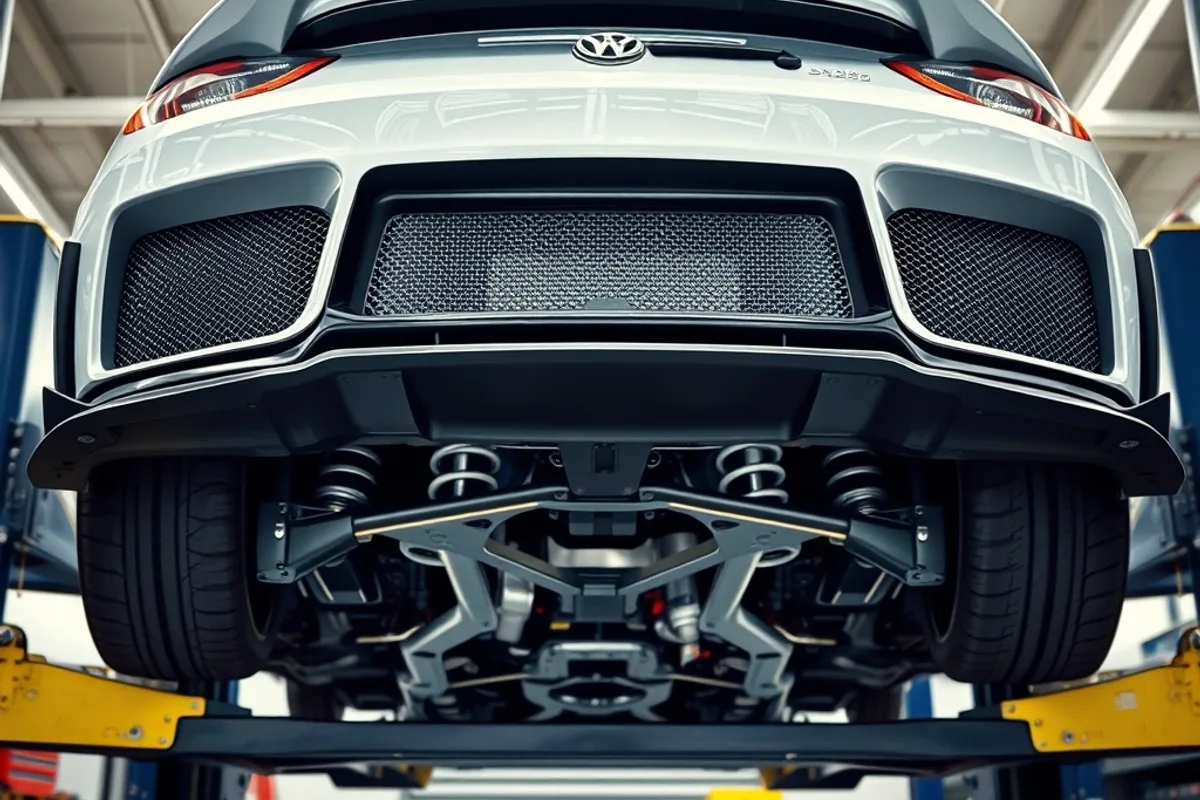
Lowering the front of a strut car moves the lower control arm through its arc. Camber goes negative, toe changes and the roll centre moves, often downward relative to the centre of gravity. That last change increases body roll even though the car is stiffer and lower.
The fix is not always a shorter spring. It may be a bump-steer correction kit, a roll-centre adjustment or a different top mount. Without those parts, a car can gain camber and still handle worse than standard.
Springs and dampers must match
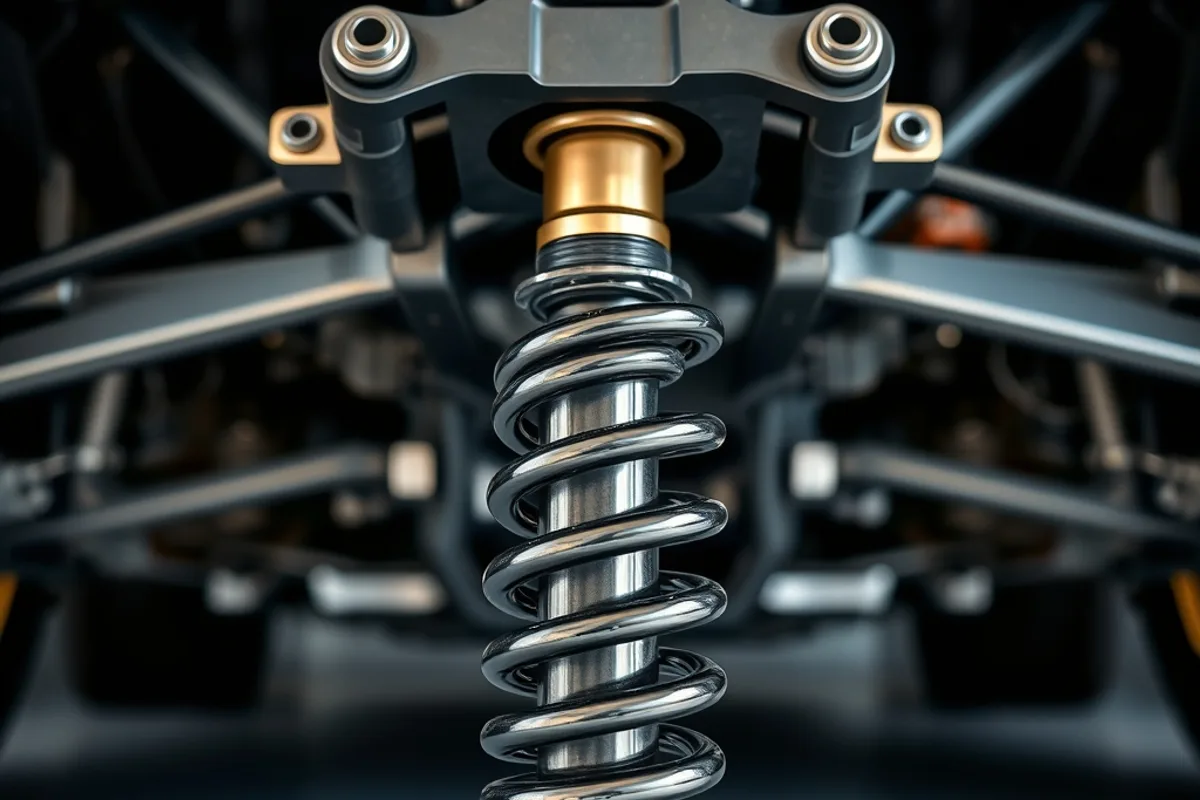
A spring stores energy; a damper controls how quickly it is released. Fit a much stiffer spring to a damper designed for the standard rate and the car will feel harsh over small bumps and float over big ones. The damper cannot follow the spring.
A matched coilover set solves this by pairing rate and damping. It also usually reduces travel, so check bump stop clearance and compression travel. A car that rides on its bump stops is not stiff; it is out of suspension.
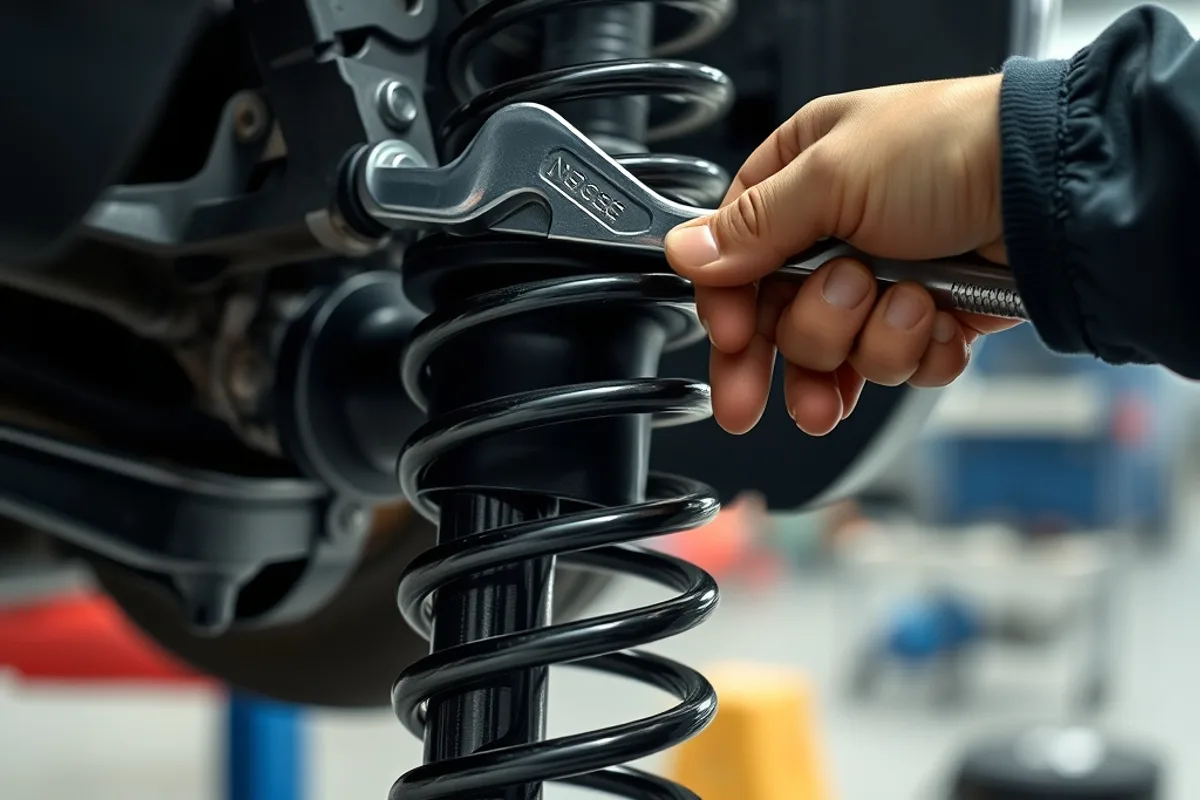
Bushings, mounts and the parts nobody photographs
Worn bushings add compliance that no alignment can correct. If the car has covered more than 100,000 kilometres, refresh the control-arm and trailing-arm bushes before spending on coilovers. Stiffer bushings sharpen response, but they also transmit noise; use them on the arms that matter and leave the rest standard on a road car.
Check the top mounts and strut bearings at the same time. A failed bearing produces a clunk over bumps and can make the steering feel notchy.
Ride height is a styling decision. Spring rate, damping and geometry are performance decisions. Do not let the first one dictate the other three.
Alignment is the proof
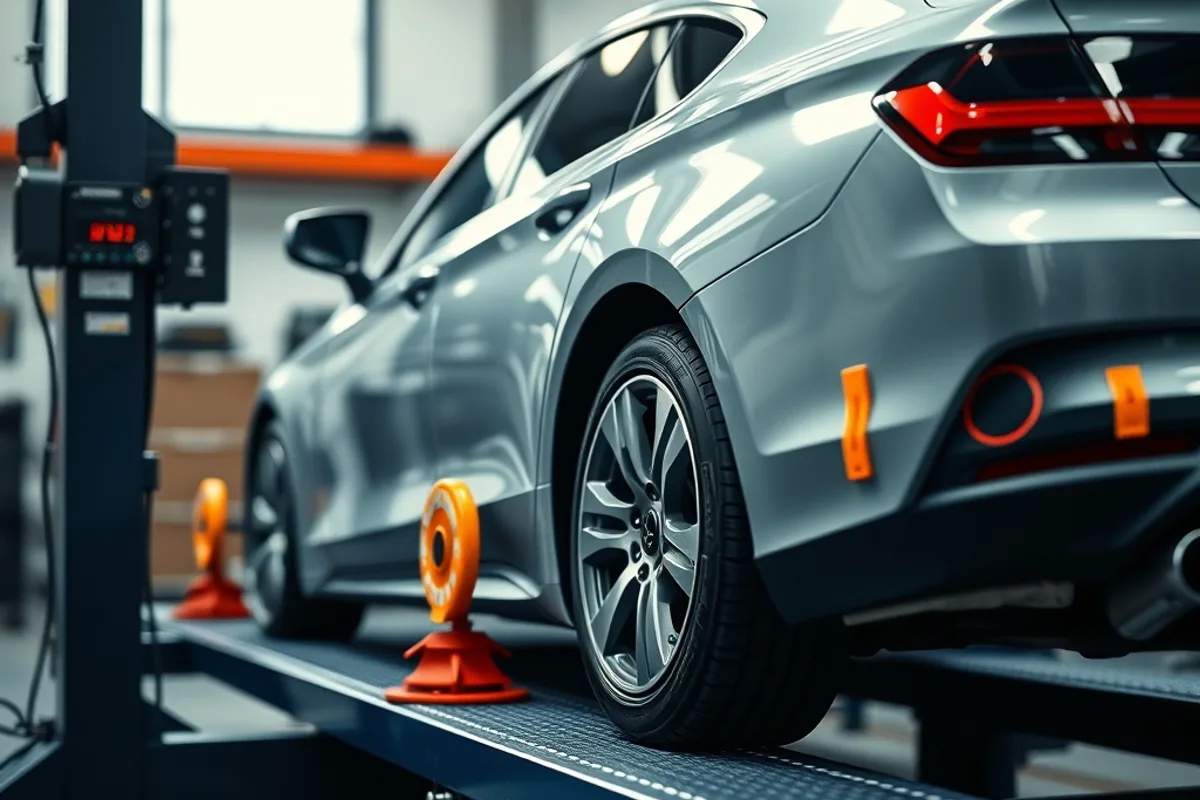
After any suspension change, get a four-wheel alignment with a printout. Ask for camber, caster, toe and thrust angle. A street setup usually wants modest negative camber, slight toe-in at the rear and a thrust angle close to zero. A track setup is more aggressive and should be changed back for the road.
Keep the before and after sheet. If the car pulls or the tyres wear unevenly, the sheet tells you whether the problem is adjustment or damage.
The order to spend money
First, replace worn factory parts. Second, choose a matched damper and spring package. Third, correct geometry with the parts the alignment numbers demand. Fourth, add anti-roll bars only after the spring and damper balance is right. Fifth, buy tyres that suit the new grip level.
Each step should be tested on the same road or track section. A change you cannot feel is a change you cannot defend. Our Car Modification desk covers wheels and brakes next; the maintenance desk covers the worn parts that should come first.