Every family road trip has a moment when the car is full, the children are bored and the adults are negotiating the next stop. The trip is not ruined at that moment; it was set up badly two days earlier. Good planning is mostly about removing decisions from the driving day.
These routines come from repeated long drives with two children under ten. They are not about perfect parenting. They are about arriving with enough patience left to enjoy the place you drove to.
Plan the stop rhythm before the route
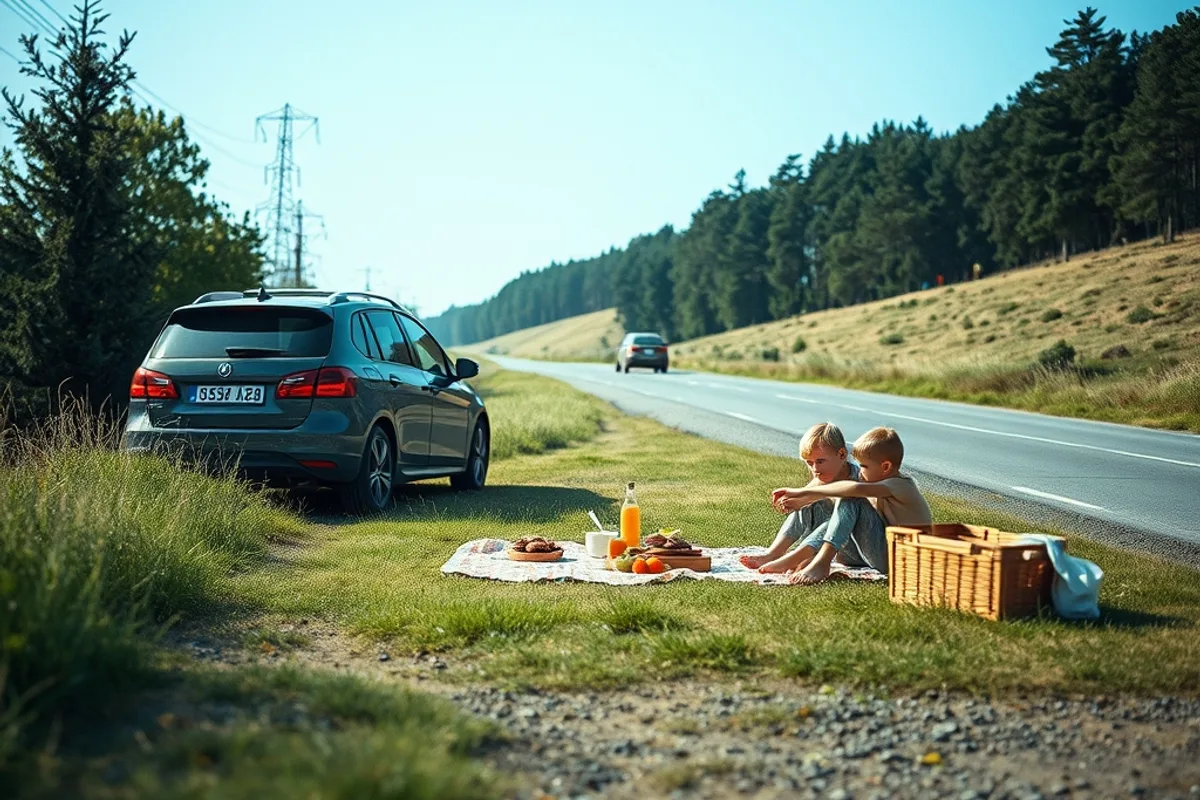
Plan a stop every 90 to 120 minutes, even if the children say they are fine. A ten-minute break with a walk and a toilet costs less time than a motorway emergency stop. Choose stops with somewhere safe to walk, not just a fuel station forecourt.
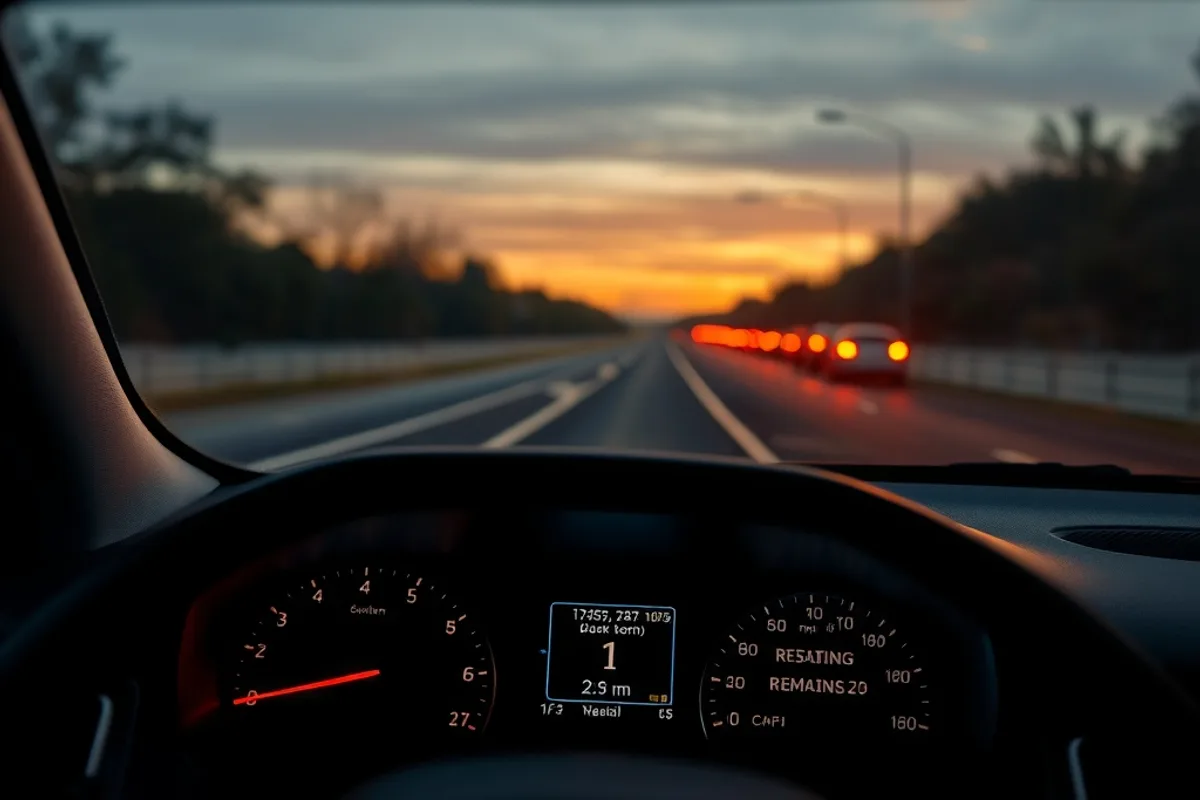
For a 600-kilometre day, that means four stops and a realistic arrival time. Navigation estimates usually assume no children, no food and no traffic. Add 20 percent to the driving time and you will be closer to the truth.
Pack the car in zones
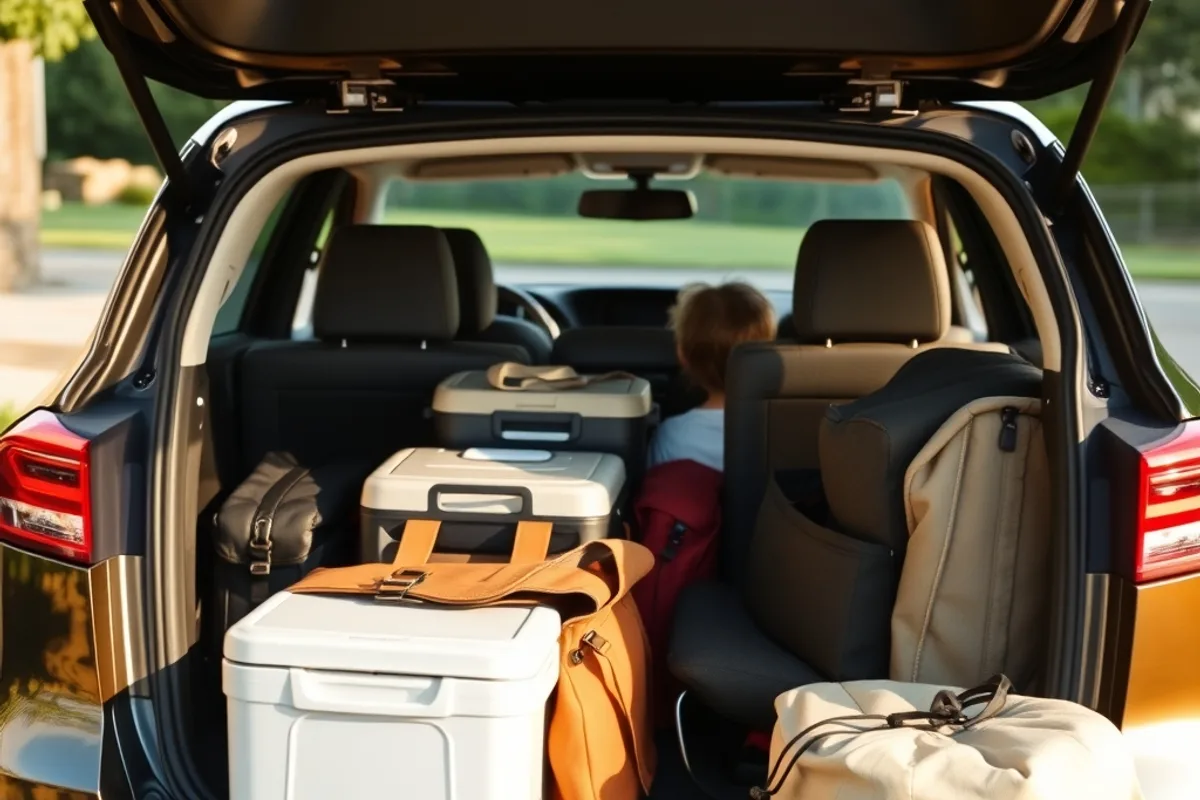
Zone one is what you need while moving: water, snacks, wipes, a change of clothes for the youngest and any medication. It goes within reach of the front seats. Zone two is the boot top layer: the stroller, the cooler and the bag for the first night. Zone three is everything else, packed low and secured.
Loose objects become projectiles in a sudden stop. Pack heavy items low and forward of the rear seat back where possible, and use a cargo net or straps for anything that could slide.
The first hour of a road trip is decided the night before. The next eight hours are decided by how well you packed the boot.
Food without a crisis
Bring a mix of slow and quick snacks: fruit, sandwiches, crackers, and something that takes time to eat. Avoid sugary drinks early in the drive; the energy spike is followed by a mood crash that no playlist can fix.
Keep a small bin in the car and empty it at every stop. A clean car is not a luxury on a long drive; it is the difference between a pleasant second half and a rolling rubbish bin.
Screens, audiobooks and the rules
Agree the screen rules before departure, when everyone is calm. Some families use screens only after the first stop; others use them for the final hour. The exact rule matters less than the fact that it is decided in advance and applied consistently.
Audiobooks and family podcasts work better than videos for some children because they allow looking out of the window. Download everything before leaving; mobile coverage is unreliable exactly where the boredom peaks.
The safety checks that matter
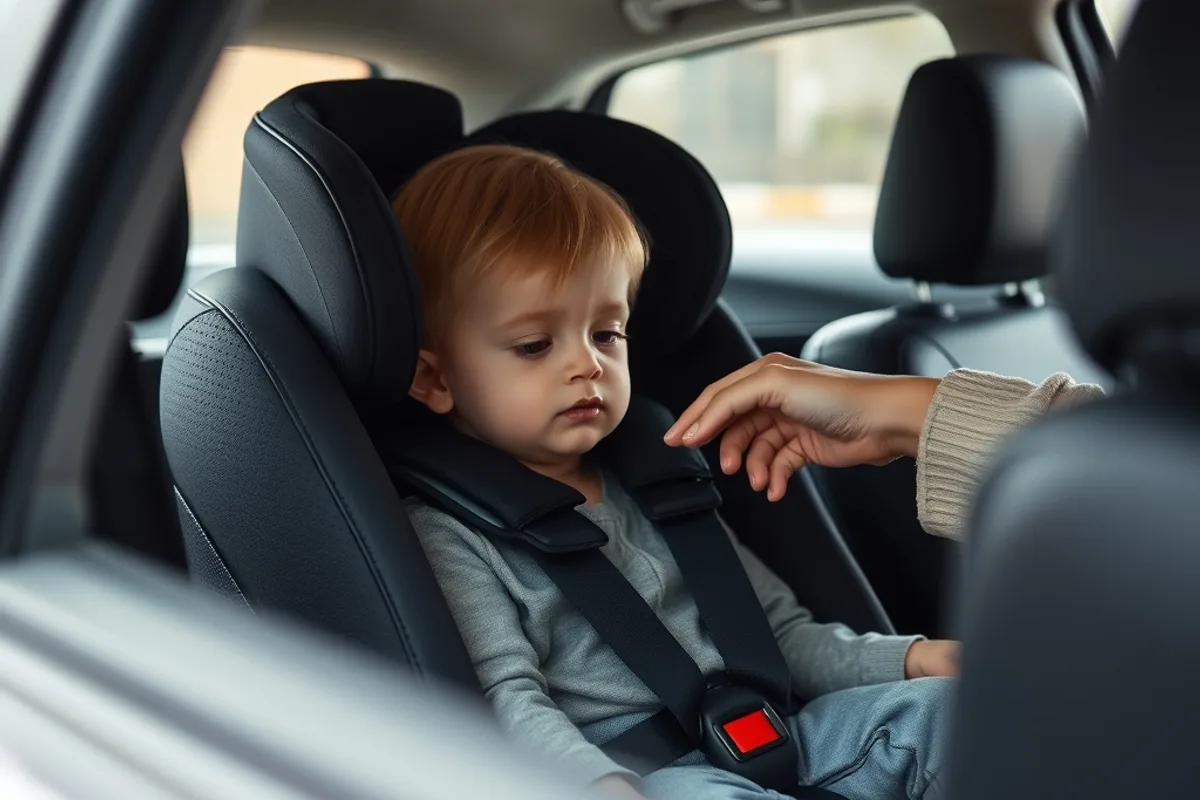
Check tyre pressures cold, including the spare or inflation kit. Top up washer fluid and check the lights. Confirm every child seat is correctly fitted and the harness is snug; a bulky coat should not sit under the harness.
Keep water and a reflective warning triangle in the car. If you are driving through remote areas, tell someone your route and expected arrival time.
The return leg is a separate trip
Leave earlier than feels comfortable on the return. Everyone is tired, the car is full of dirty laundry and the novelty is gone. Plan a proper meal stop rather than eating in the car, and build in a buffer for traffic.
When you get home, empty the car the same evening. A trip that ends with a clean car and a full fuel tank is a trip you will be willing to repeat. Our Car Lifestyle desk has more routines for living with a car; the maintenance desk covers the checks before a long drive.