Suspension Upgrades: Lower Is Not Always Faster
A lower car looks quick and often is slower. Geometry, damping and travel decide lap times and road manners, and they are not in the spring box.
Car modification guides that put geometry, damping, unsprung mass and safety before style: how to change a car and keep it drivable, legal and worth owning.
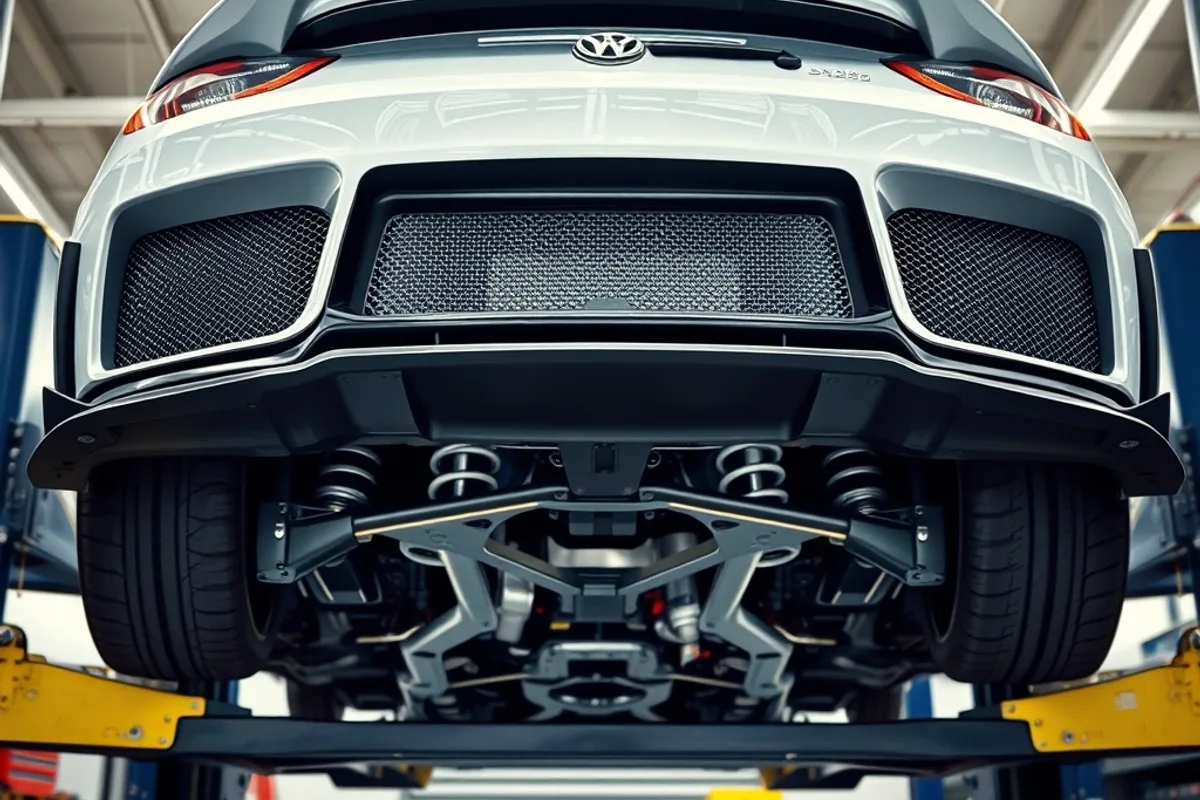
A lower car looks quick and often is slower. Geometry, damping and travel decide lap times and road manners, and they are not in the spring box.
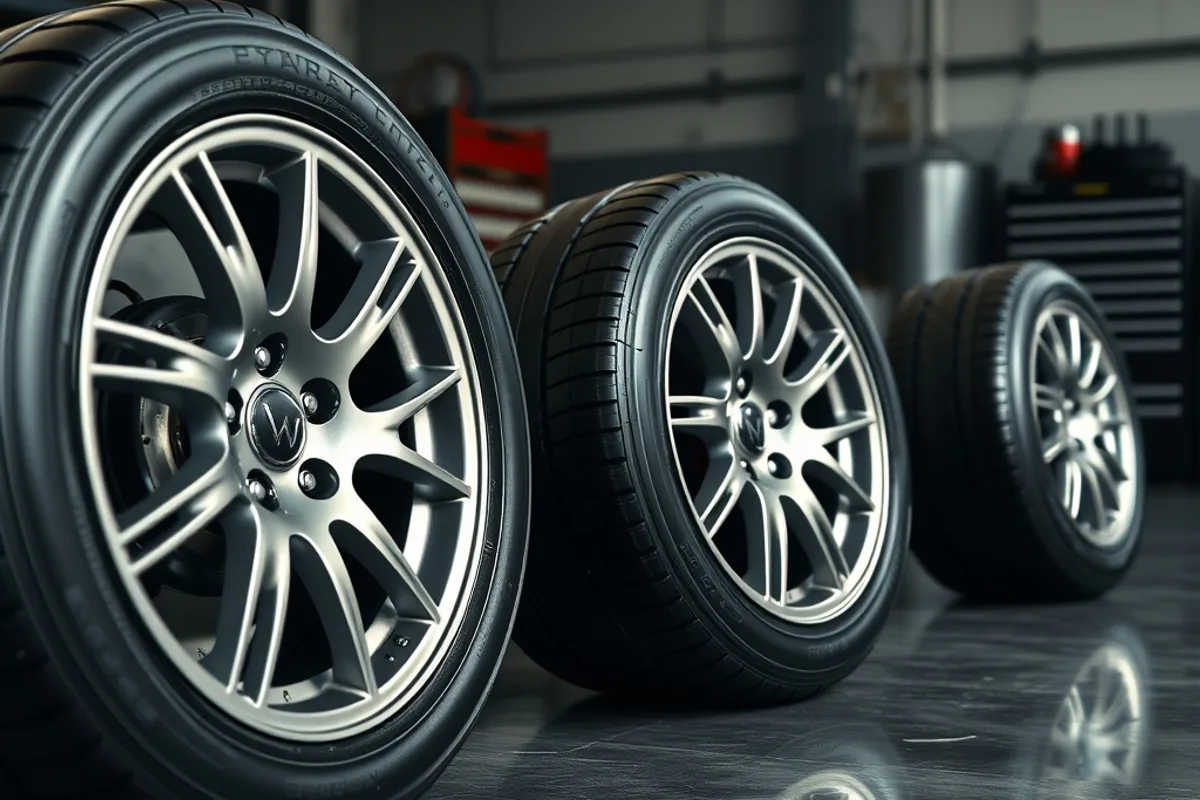
Bigger wheels sell cars and cost comfort. Offset, sidewall, unsprung mass and load rating decide whether the upgrade is an improvement or a compromise.
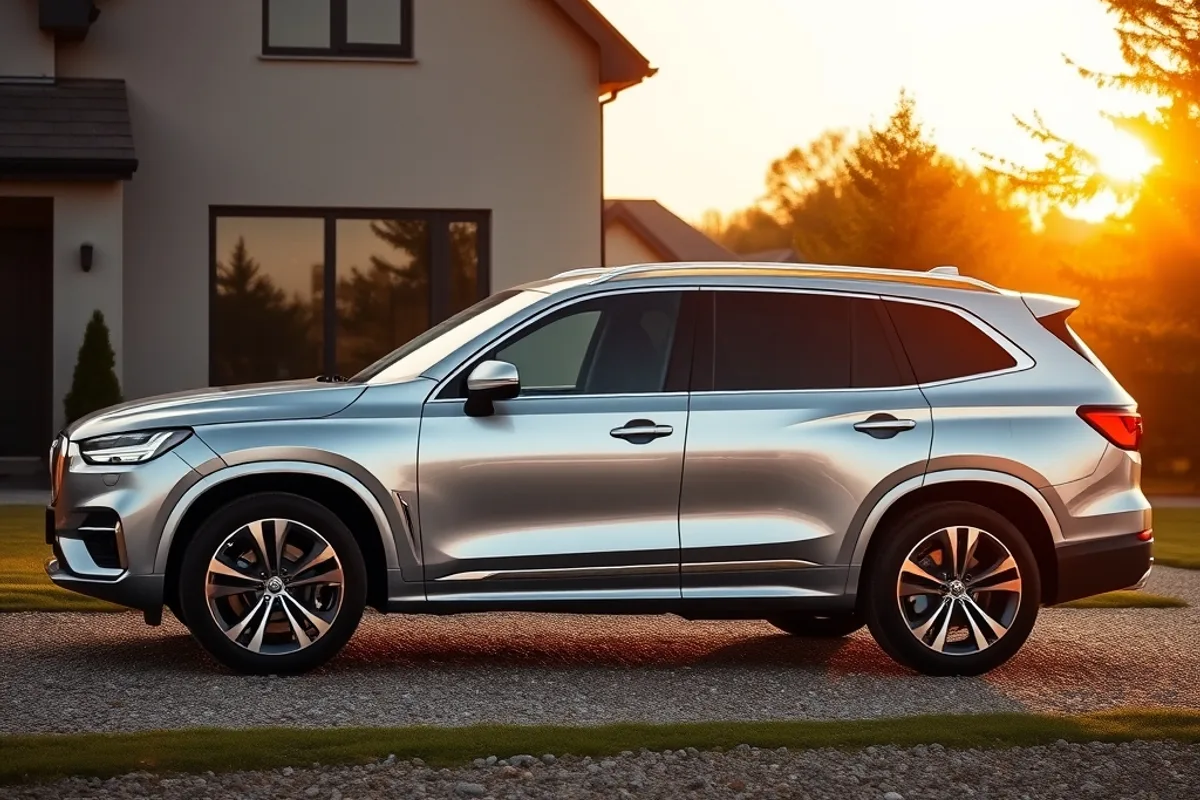
The sticker price is the easy number. Depreciation, tyres, insurance and the third-row tax decide whether a family SUV is affordable or merely financeable.
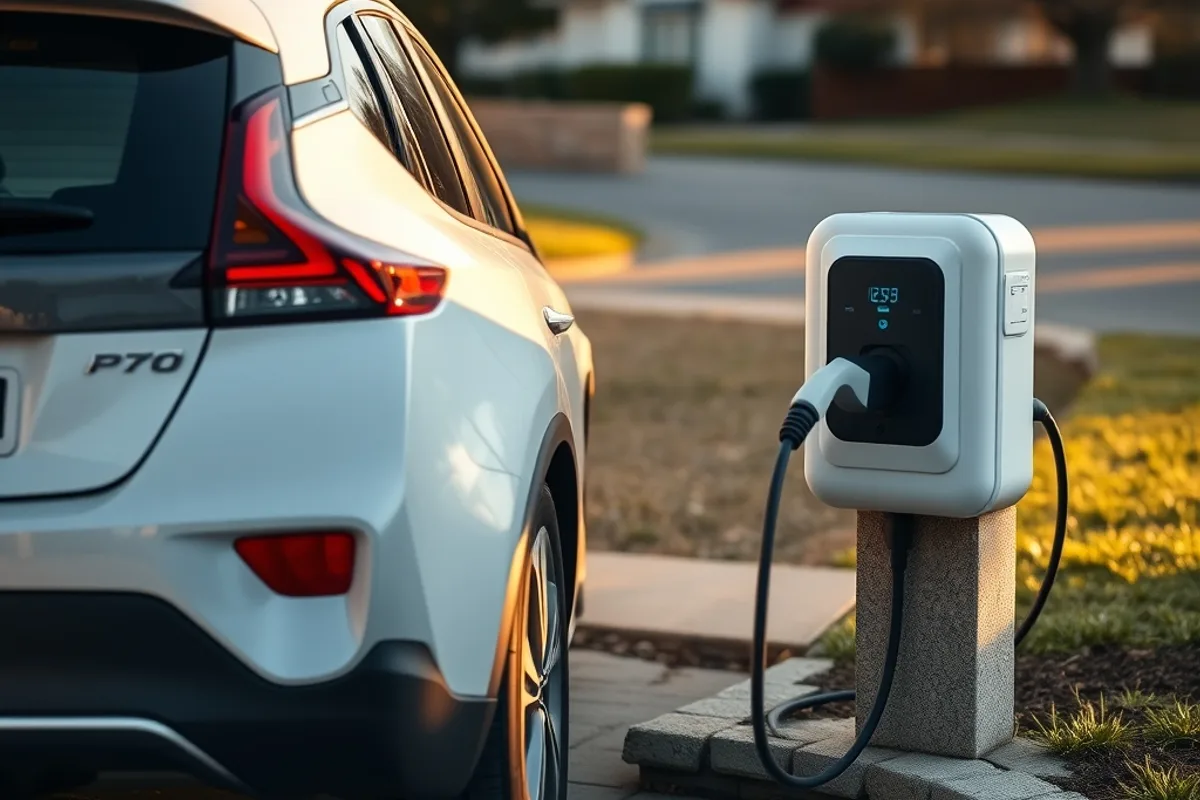
A used electric car is a battery with a body attached. Learn to read the health report, the charge history and the warranty transfer before you fall for the badge.
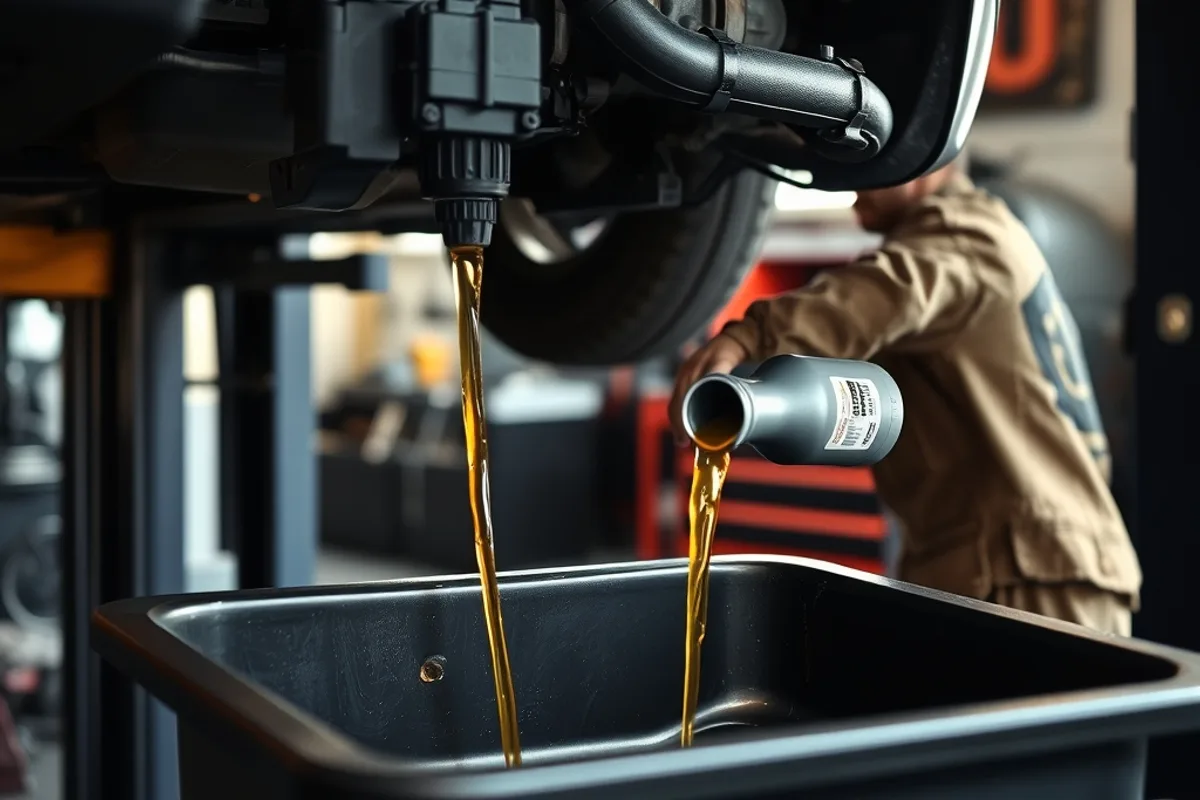
Most high-mileage failures are not sudden. They are skipped fluids, tired belts and a cooling system nobody looked at. Here is the order that protects the car.
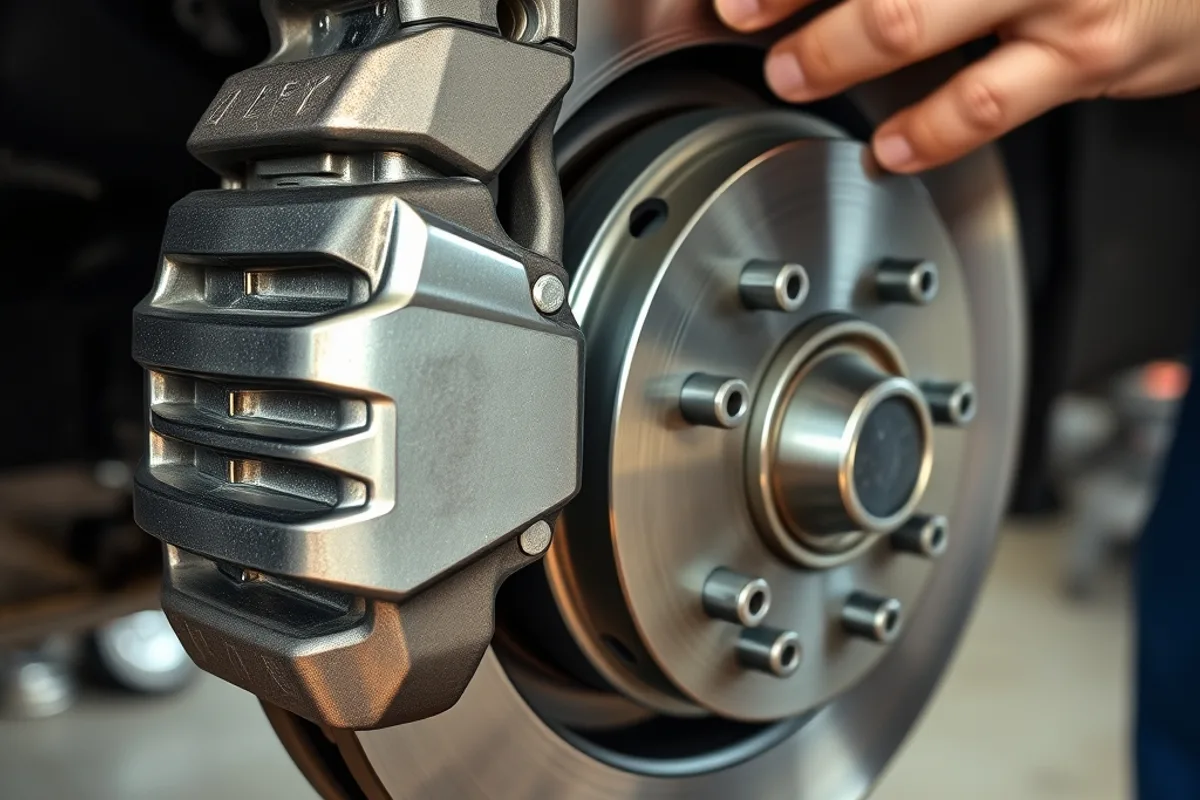
Squeal, grind and rumble are three different messages. Learning to tell them apart can save a rotor, a caliper and an afternoon of guesswork.
We explain what a modification actually changes at the contact patch, and the order to spend money so each step supports the next instead of fighting it.
Each guide starts with first-hand use, a workshop procedure or a named public source. We record the date, the author and the assumptions, and we compare the recommendation with the cheapest credible alternative. Where a figure can move, we say so and revisit the page when it does.
Every article is updated when new prices or procedures land. If a number moves, we show the old figure and the new one side by side so readers can see the revision, not just the latest claim.