Detailing has a reputation for expensive products and mysterious steps. In practice, most of the result comes from three things: keeping grit away from the paint, removing contamination gently, and applying protection thinly and evenly. Products matter, but technique matters more.
This is a weekend routine for a normal car that lives outside. It assumes no machine polisher and no professional equipment. It will not fix deep scratches, but it will make the paint easier to clean for months.
Wash in the shade, wheels first
Work out of direct sun and let the paint cool. Start with the wheels, using a separate bucket and brush, because wheel dust is abrasive and should never touch the paint. Rinse the car from the top down to remove loose dirt.
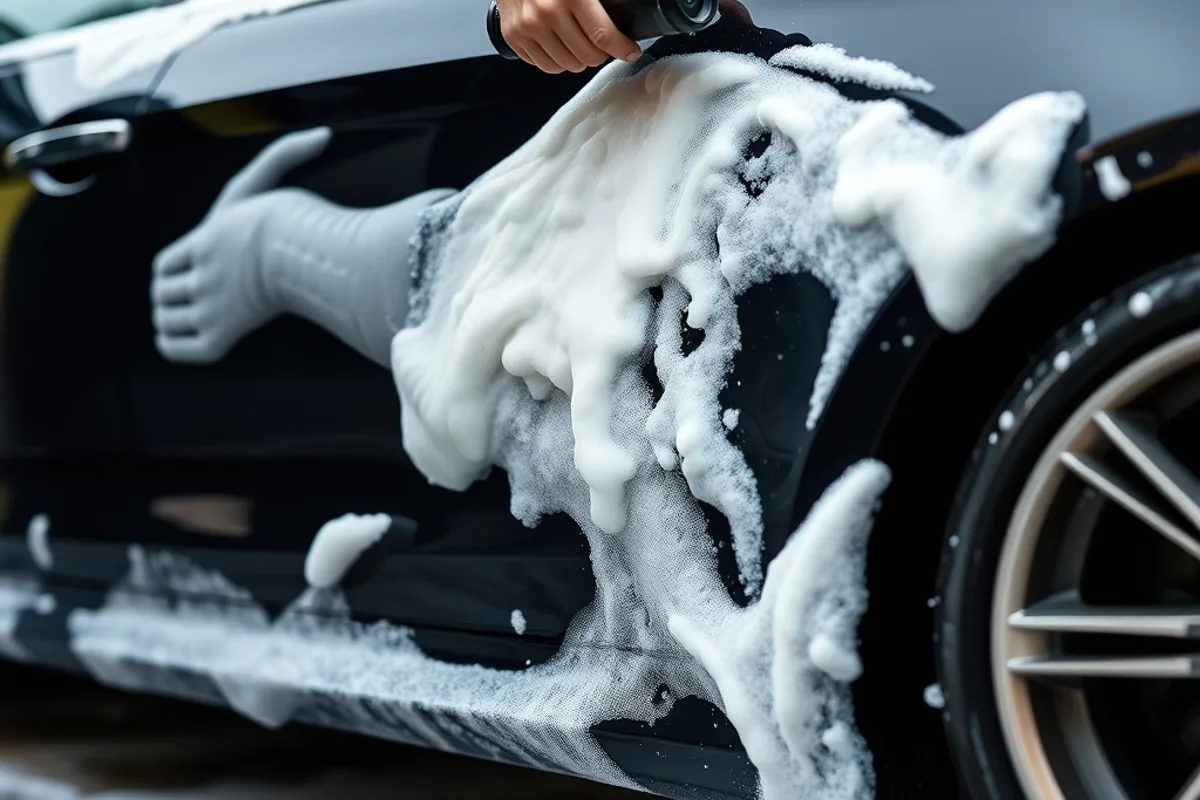
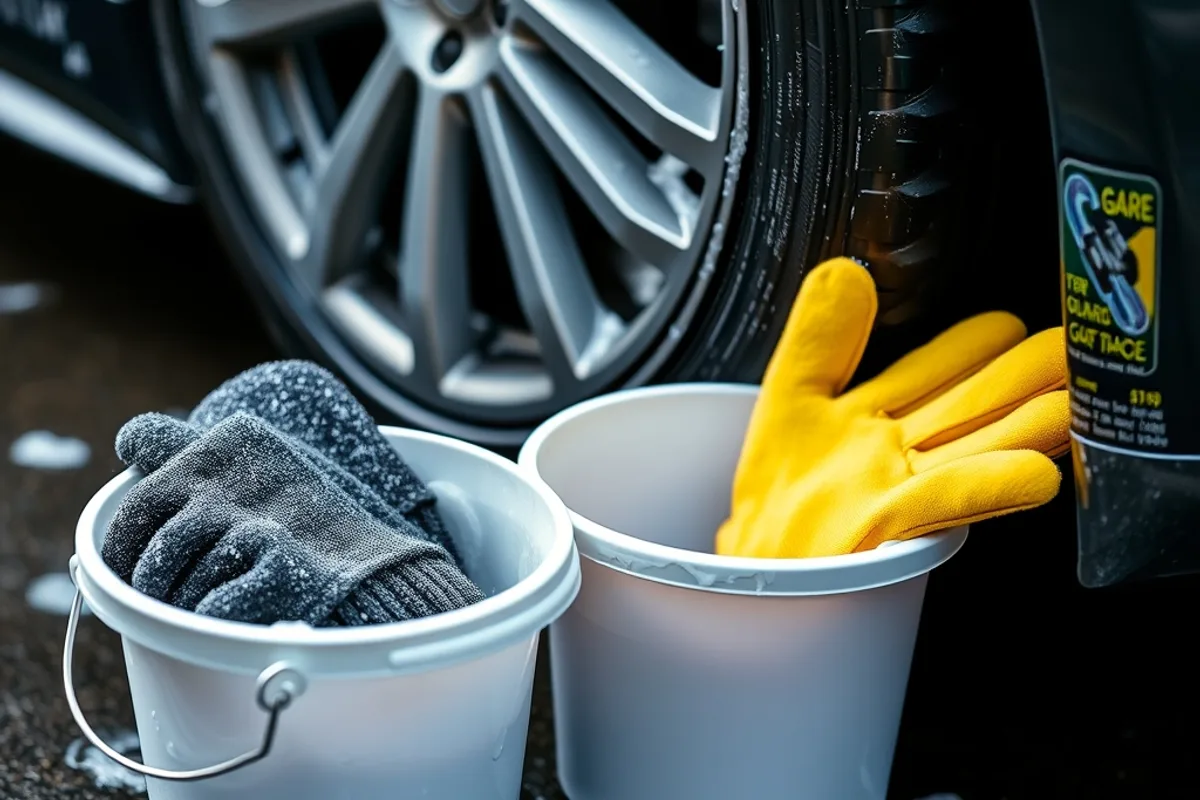
Use the two-bucket method: one bucket of soapy water, one of clean rinse water. Rinse the mitt in the clean bucket before reloading it with soap. Wash from the roof down, in straight lines rather than circles, and rinse the mitt often.
Decontaminate before you polish
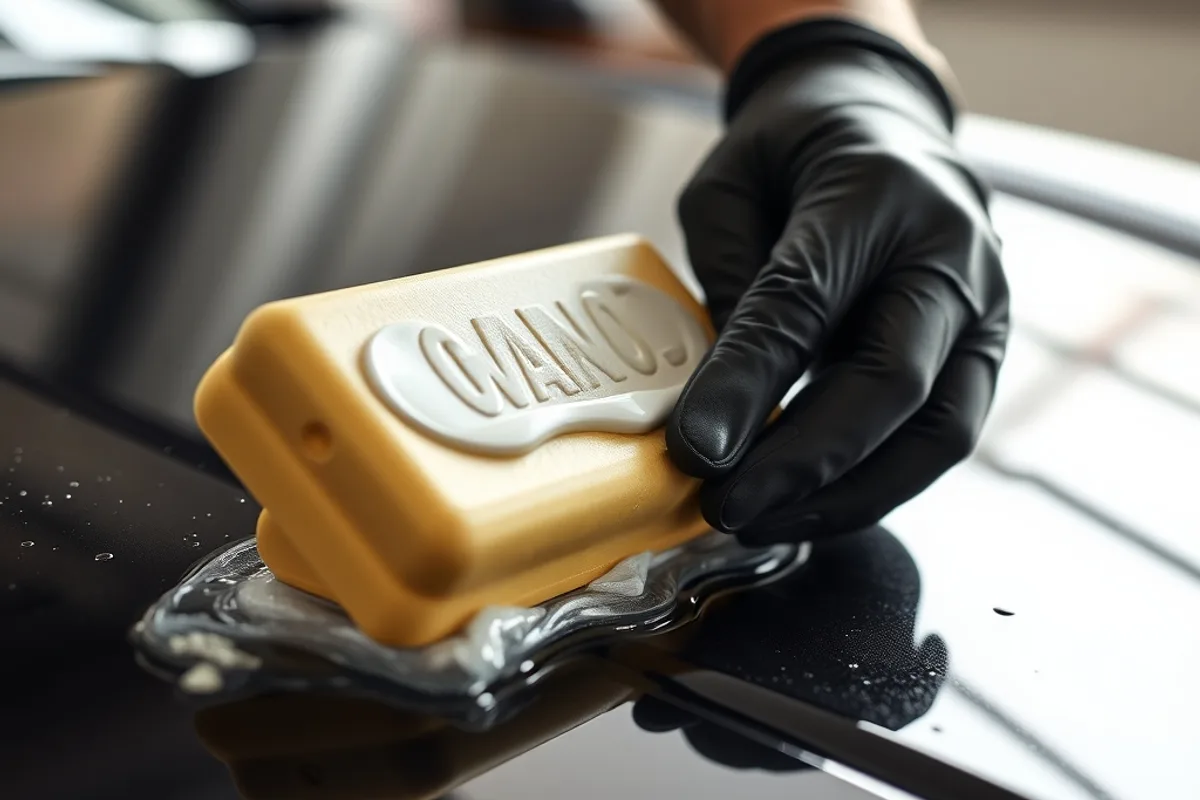
After washing and drying, run your hand over the paint through a thin plastic bag. If it feels rough, the surface has bonded contamination: tar, industrial fallout or tree sap. A clay bar with plenty of lubricant removes it, but use light pressure and keep the surface wet.
For heavy contamination, a chemical iron remover and tar remover reduce the work the clay has to do. Follow the dwell times on the label and never let a strong chemical dry on the paint.
Light correction, or none at all
Swirl marks are fine scratches in the clear coat. Removing them requires abrasion, by hand or machine, and every pass removes a little clear coat. If the paint is in good condition, skip correction and go straight to protection.
If you do correct, use the least aggressive pad and polish that produce a result, work in small sections and keep the pad clean. A machine polisher is faster and more consistent, but it is also easier to damage an edge or a trim piece.
Detailing is mostly the discipline of not dragging dirt across paint. The bottle in your hand is the smallest part of the job.
Protection that suits the car
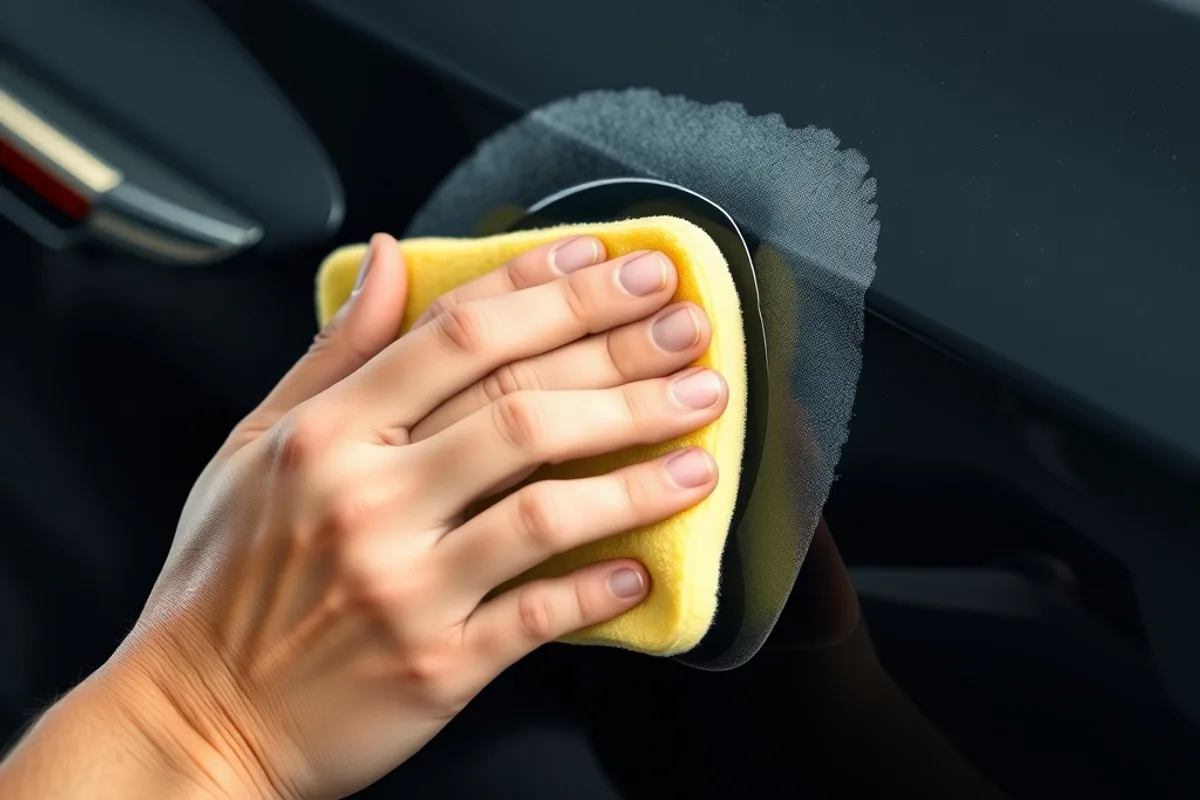
A liquid wax or synthetic sealant is enough for most owners. Apply a thin layer, let it flash, then buff with a clean microfiber towel. Two thin layers last longer than one thick layer, which is harder to remove and can smear.
Ceramic coatings last longer but demand more preparation and care. If the paint is not corrected first, a coating locks in the defects. For a daily driver, a good sealant and a monthly maintenance wash are a sensible balance.
The interior in one hour
Remove the mats and vacuum everything, including the seat rails and the boot. Wipe hard surfaces with a mild cleaner and a microfiber cloth. Clean glass with a dedicated glass cleaner and a second dry cloth to remove streaks.
Condition leather only if the manufacturer recommends it. Many modern leathers have a protective coating that conditioners cannot penetrate. A gentle cleaner is usually enough.
The maintenance wash
Wash every two to three weeks with the same two-bucket method. Remove bird droppings and insect remains promptly; they are acidic and etch the clear coat. Use a quick detailer for small spots between washes.
A car that is washed gently and protected consistently looks better after five years than one that receives an occasional aggressive polish. Our Car Lifestyle desk covers the routines around ownership, and the Car Maintenance desk covers the mechanical checks that protect the car underneath.