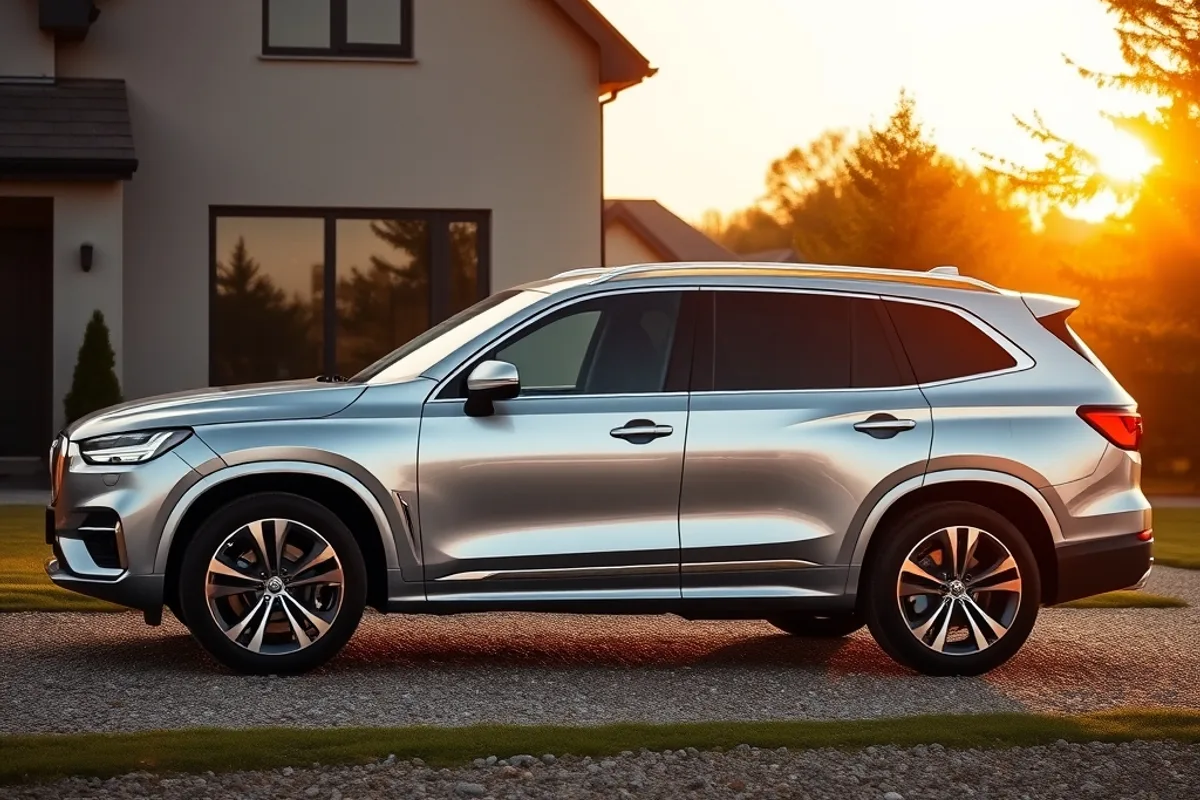
A three-row SUV is usually bought with a moment in mind: grandparents in town, a school run with extra children, one holiday a year with the whole family. That moment is real. The problem is that families pay for the capability every month, not just on the days they use it.
We spent a fortnight with two mid-size three-row SUVs, one petrol and one hybrid, and then priced five years of ownership with a spreadsheet rather than a brochure. The gap between the cheapest monthly payment and the cheapest car to own was wider than expected.
Depreciation is the largest line item
A new family SUV typically loses between 40 and 55 percent of its value in the first four years. On a car costing 48,000 that is roughly 19,000 to 26,000 in depreciation alone, or 400 to 540 a month before fuel, insurance or servicing. The exact figure depends on trim, colour and local demand, but the shape is consistent.
The cheapest trim is not always the best at resale. Fleet buyers and families both look for the same three things: a reversing camera, second-row climate vents and a service history. A mid trim with those items often holds value better than a stripped base model, even though it costs more at the start.
Tyres and brakes wear faster than you think
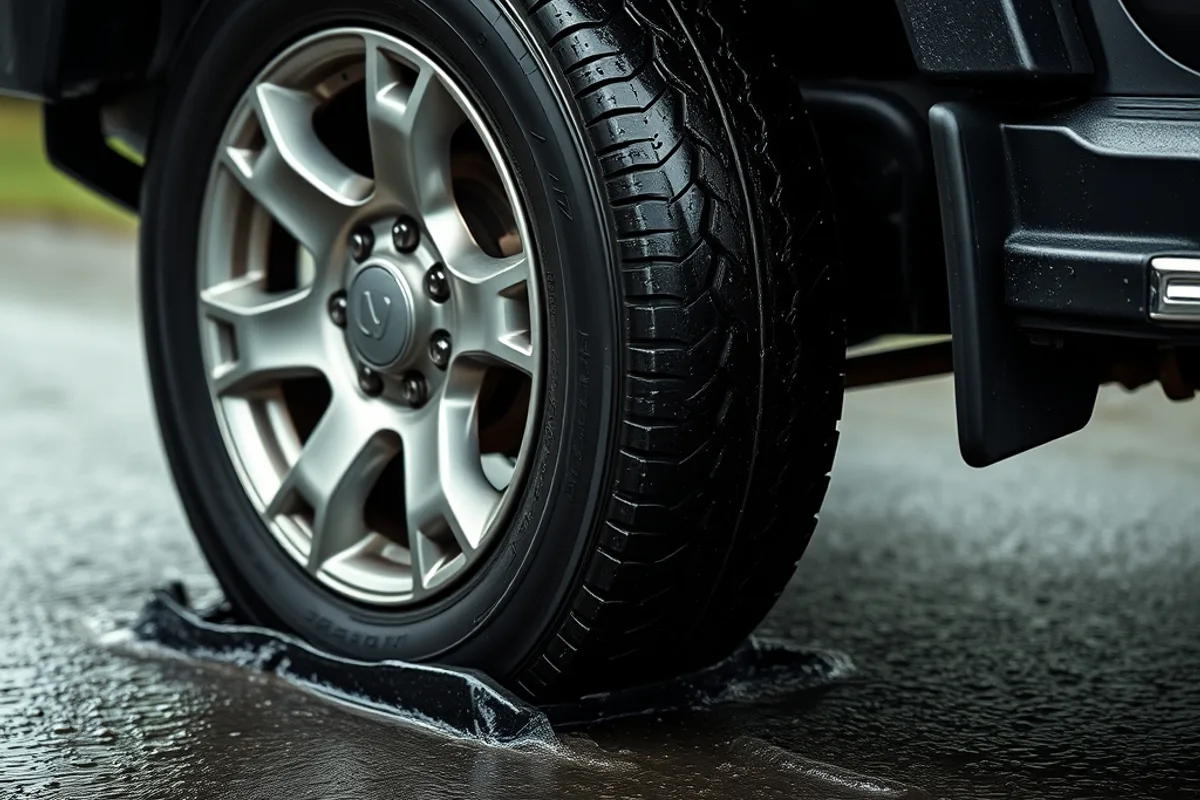
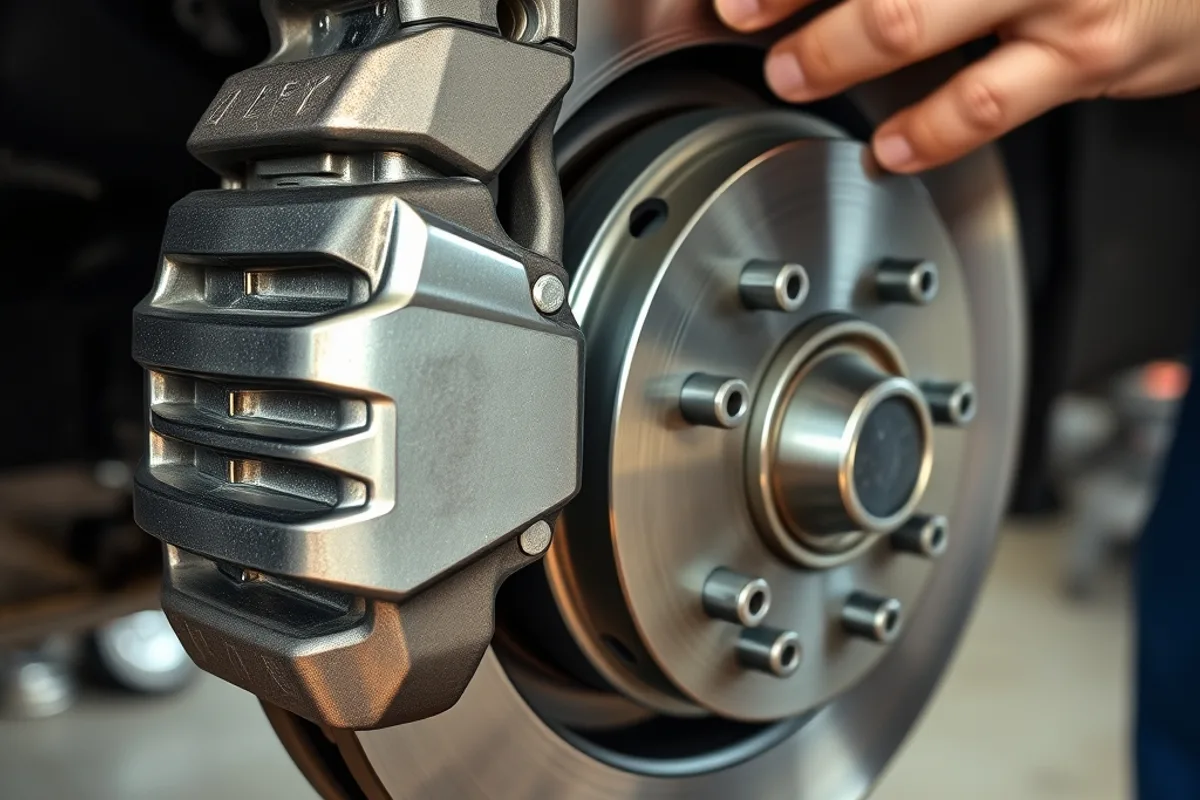
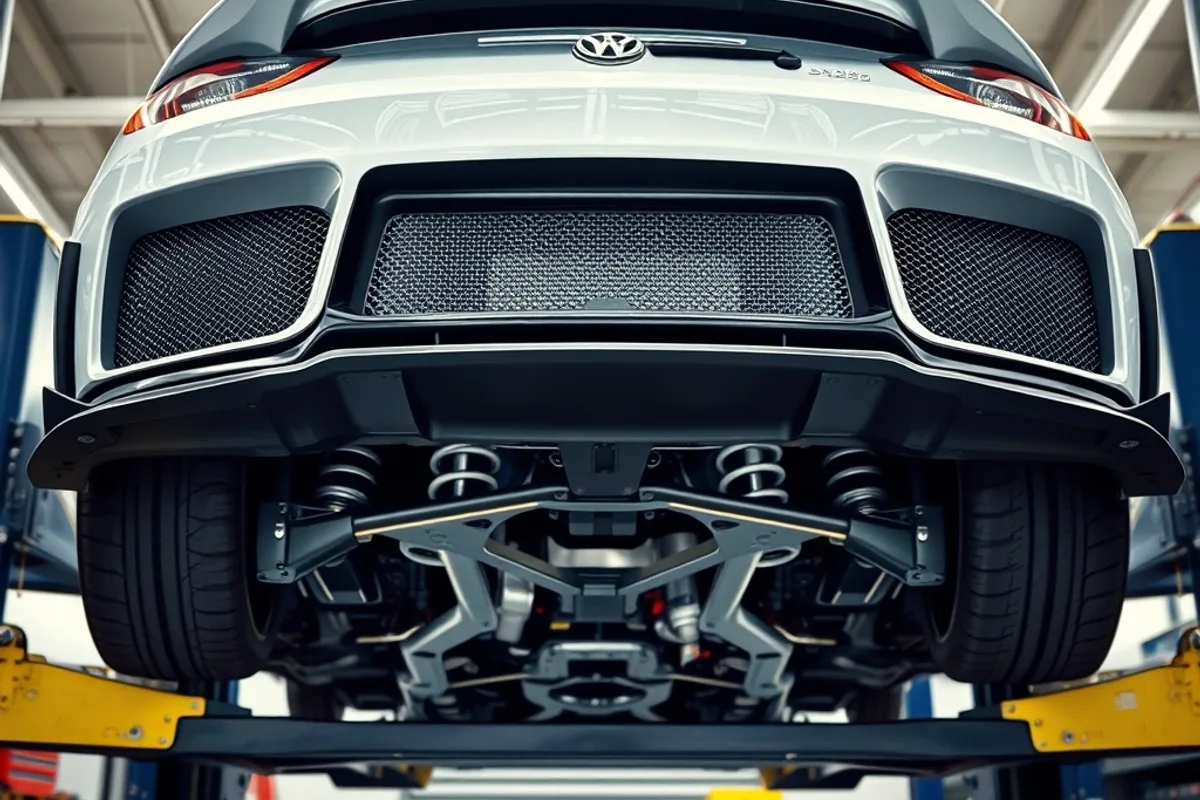
A three-row SUV weighs between 1,900 and 2,300 kilograms. That mass goes through four tyres and four brakes. Expect a set of tyres every 35,000 to 45,000 kilometres, and front pads somewhere between 30,000 and 50,000 kilometres depending on how much town driving you do.
At 2026 prices a set of four 19-inch tyres costs roughly 800 to 1,200 fitted. Add an alignment and a brake service and the first three years of consumables can quietly reach 2,500 to 3,500. A hybrid helps here because regenerative braking saves pads, but it does not save tyres.
A family SUV is not expensive because it is large. It is expensive because every part that touches the road is large too.
Fuel and the hybrid maths
On a mixed route, a modern petrol three-row returned 9.8 litres per 100 kilometres. The hybrid version returned 7.4. Over 15,000 kilometres a year and a fuel price of 1.65 per litre, that is a saving of roughly 590 a year. The hybrid usually costs 2,500 to 4,000 more, so the payback is four to seven years at current prices.
That is not an argument against the hybrid. It drives better in traffic, it is quieter and it holds value well. It is an argument against buying it purely to save fuel within a three-year finance term.
Insurance and repair exposure
Larger cars cost more to insure for a simple reason: a bumper is bigger, a headlight is more complex and a small collision damages more panels. Get a quote with the registration number before you sign, not after. A difference of 300 a year between two similar cars is common and it compounds.
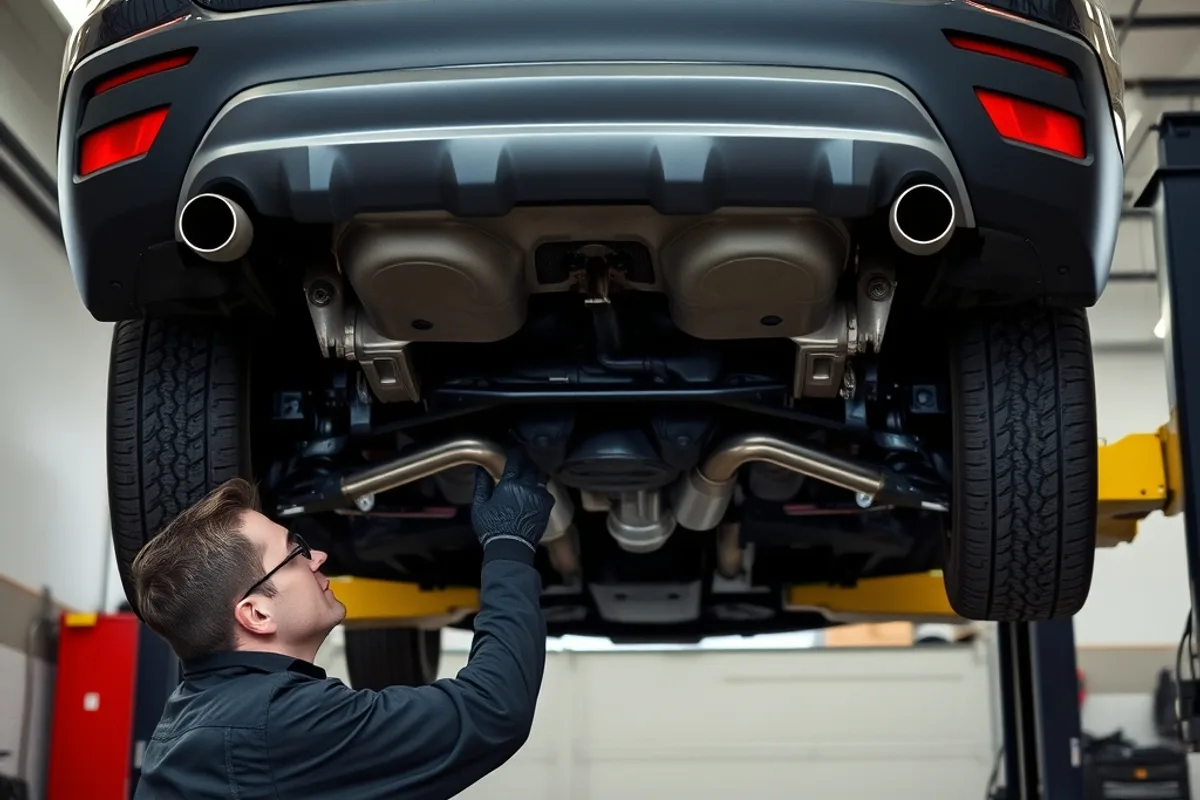
Repair exposure matters more on used examples. Air suspension, panoramic roofs, powered tailgates and 360-degree camera systems are all pleasant, and all expensive out of warranty. If the car is entering year five, budget a contingency of 1,000 a year for the first fault that is not covered.
How to compare two SUVs in one afternoon
Build a one-page sheet with six rows: purchase price, projected four-year resale, annual fuel, annual insurance, consumables over three years and warranty length. Fill it in for both cars using the same assumptions. Most buyers discover that the car with the lower payment is not the car with the lower cost.
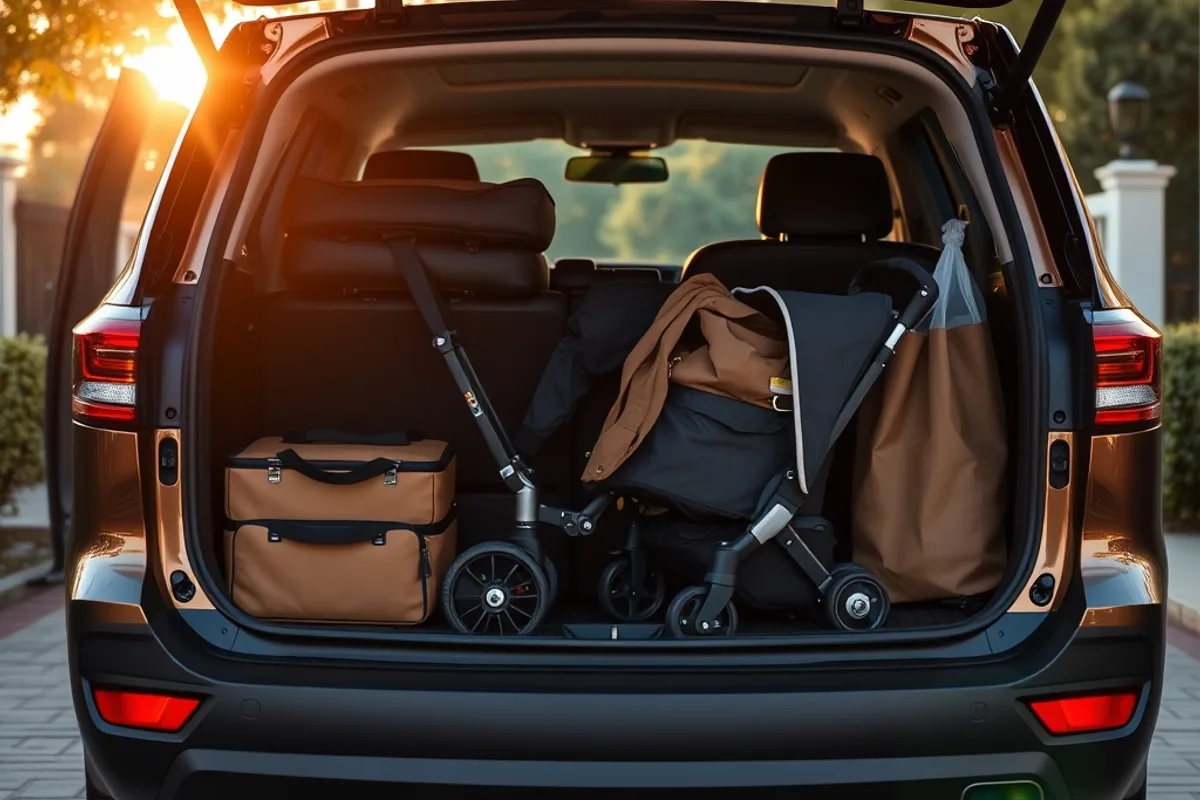
Then do the practical test the sheet cannot capture. Park both cars in the same tight space, fit your actual child seats and load your actual stroller. A boot that measures well on paper can still be the wrong shape for a family's week.
Key facts
- Four-year depreciation on a new three-row SUV commonly runs 40 to 55 percent of the purchase price.
- Expect a full tyre set every 35,000 to 45,000 km on a 2,000 kg vehicle.
- A hybrid typically saves 500 to 700 a year in fuel but costs 2,500 to 4,000 more up front.
- Insurance quotes should be checked by registration before purchase, not after.
- Air suspension, panoramic roofs and camera systems are the costliest out-of-warranty faults.
The bottom line
Buy the smallest vehicle that covers your genuine weekly use, then rent or borrow the extra row for the two weekends a year you need it. If the third row is a daily requirement, buy used, buy mid trim and keep a maintenance reserve. The car will still be expensive, but at least the expense will be planned.
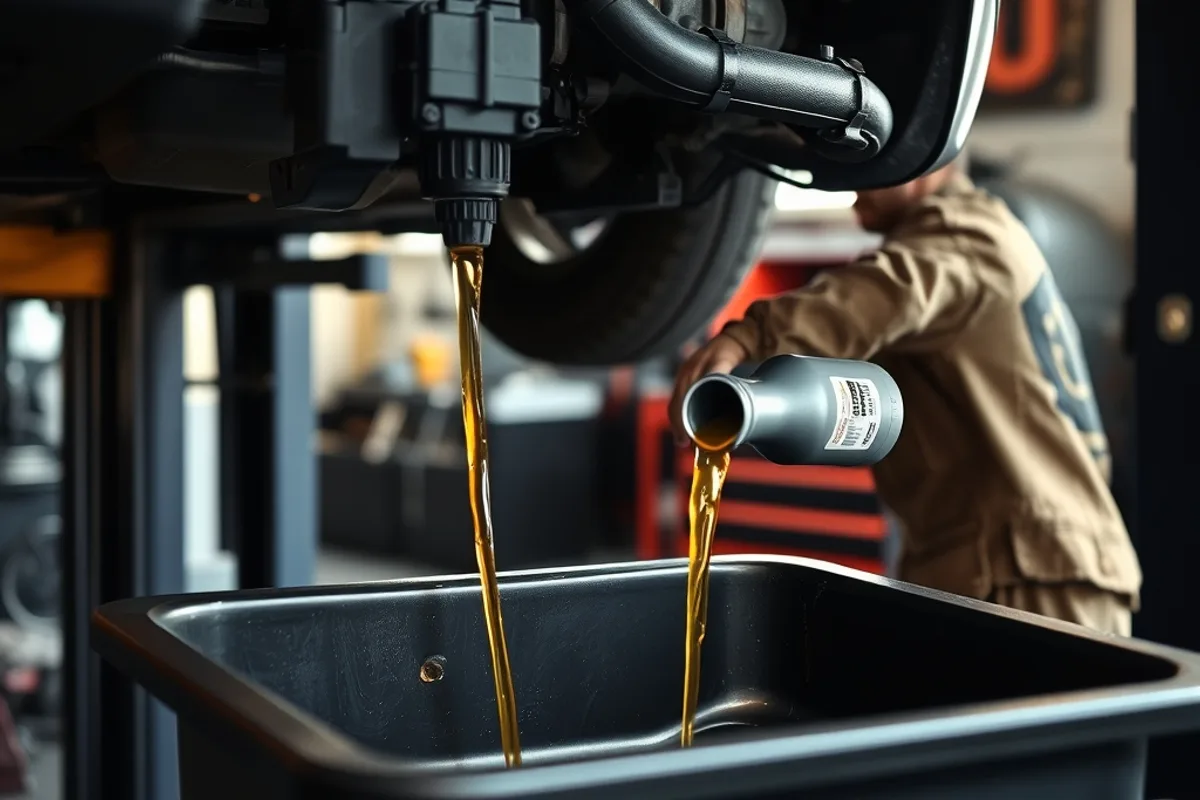
Our Car Reviews desk publishes the full cost sheet behind each test. For the workshop side, the Car Maintenance desk covers the intervals that protect the bigger bills.