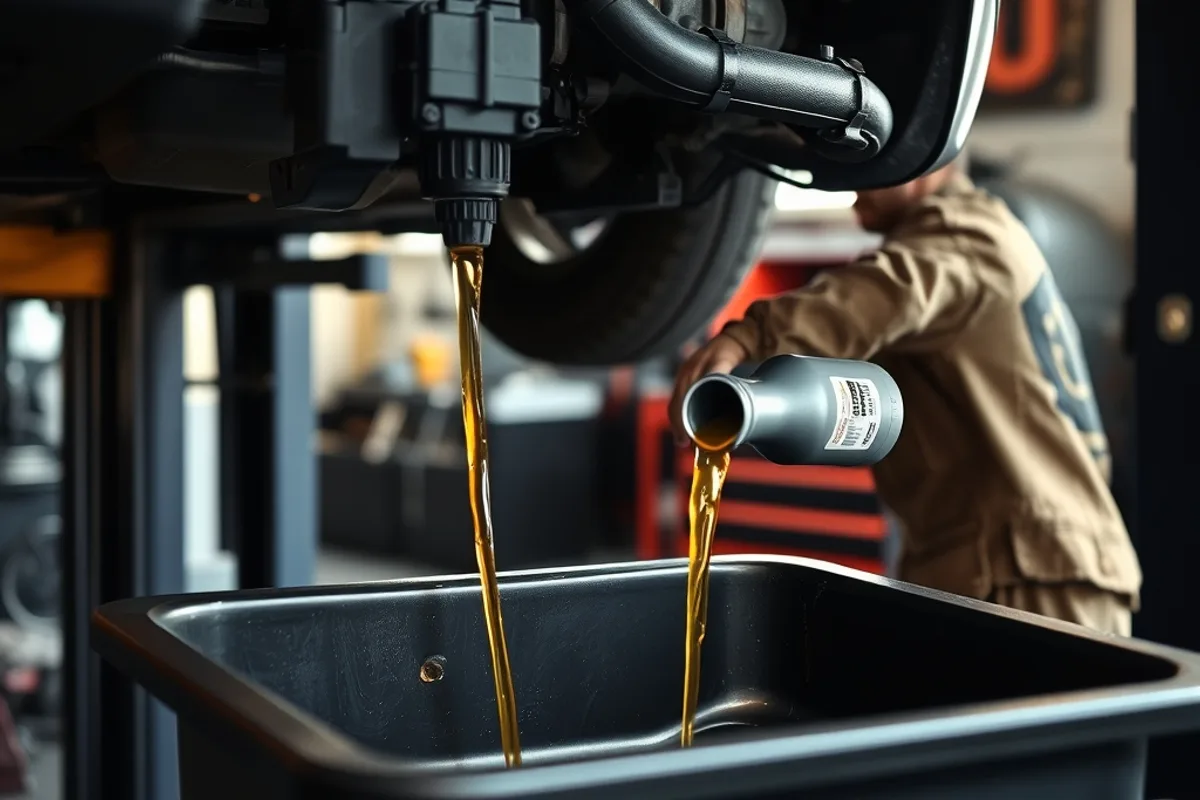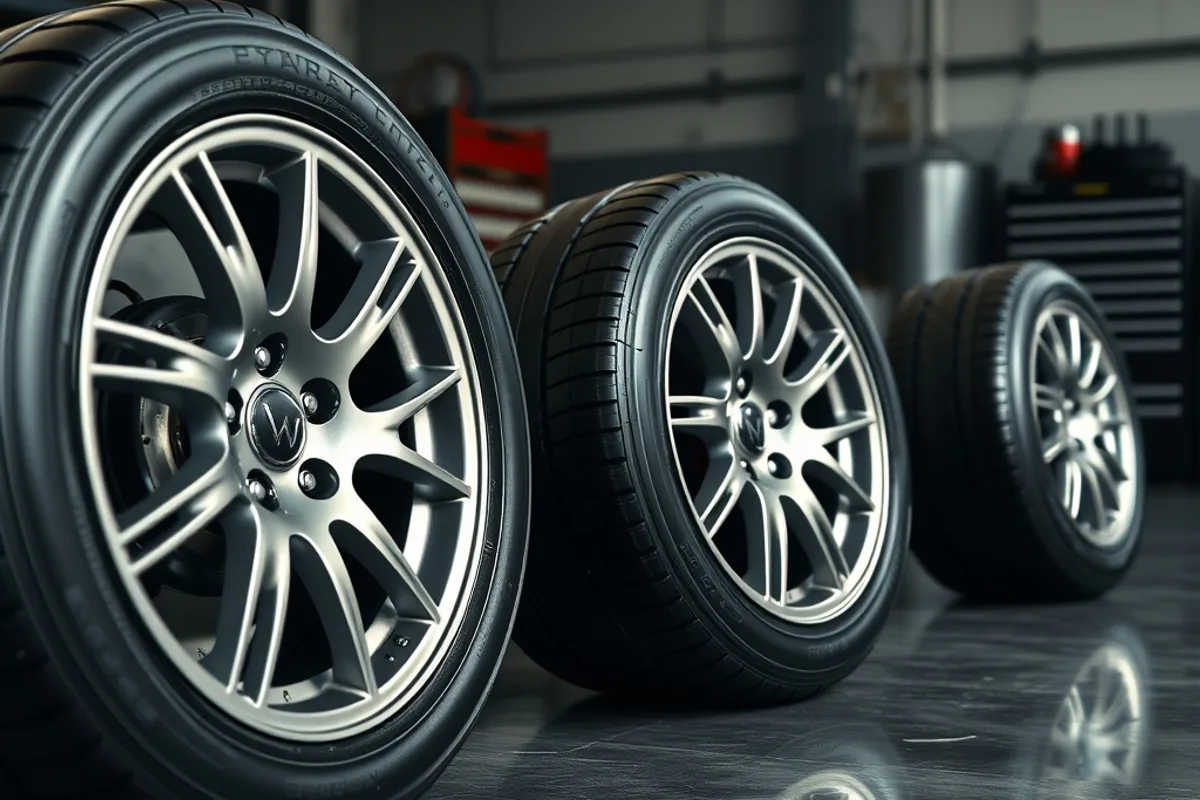
Plus-sizing means fitting a larger diameter wheel with a lower-profile tyre to keep the overall rolling circumference close to standard. It is a legitimate engineering change when it is done with numbers. It is an expensive styling choice when it is done with enthusiasm.
The goal of a good wheel and tyre package is not the largest possible wheel. It is the best compromise between grip, comfort, weight, cost and clearance for the way the car is actually used.
Unsprung mass is the hidden tax
Every kilogram at the wheel counts more than a kilogram in the cabin. Heavy wheels and tyres make the suspension work harder, slow acceleration and reduce the damper’s ability to keep the tyre on the road. A larger wheel is often heavier even when it looks lighter.
Weigh the standard wheel and tyre together, then weigh the candidate. If the new set is more than a kilogram or two heavier per corner, expect a firmer ride and a slower response over sharp bumps. Forged or flow-formed wheels cost more and often save enough mass to justify it.
Sidewall height is a comfort setting
A 19-inch wheel with a 35-profile tyre has less sidewall than a 17-inch wheel with a 50-profile tyre. The shorter sidewall sharpens steering and reduces flex, but it also transmits more noise and protects the rim less against potholes.
If the car is a daily driver on imperfect roads, keep enough sidewall to absorb a bad surface. A bent rim or a pinch flat costs more than the visual upgrade is worth.
Offset, width and clearance
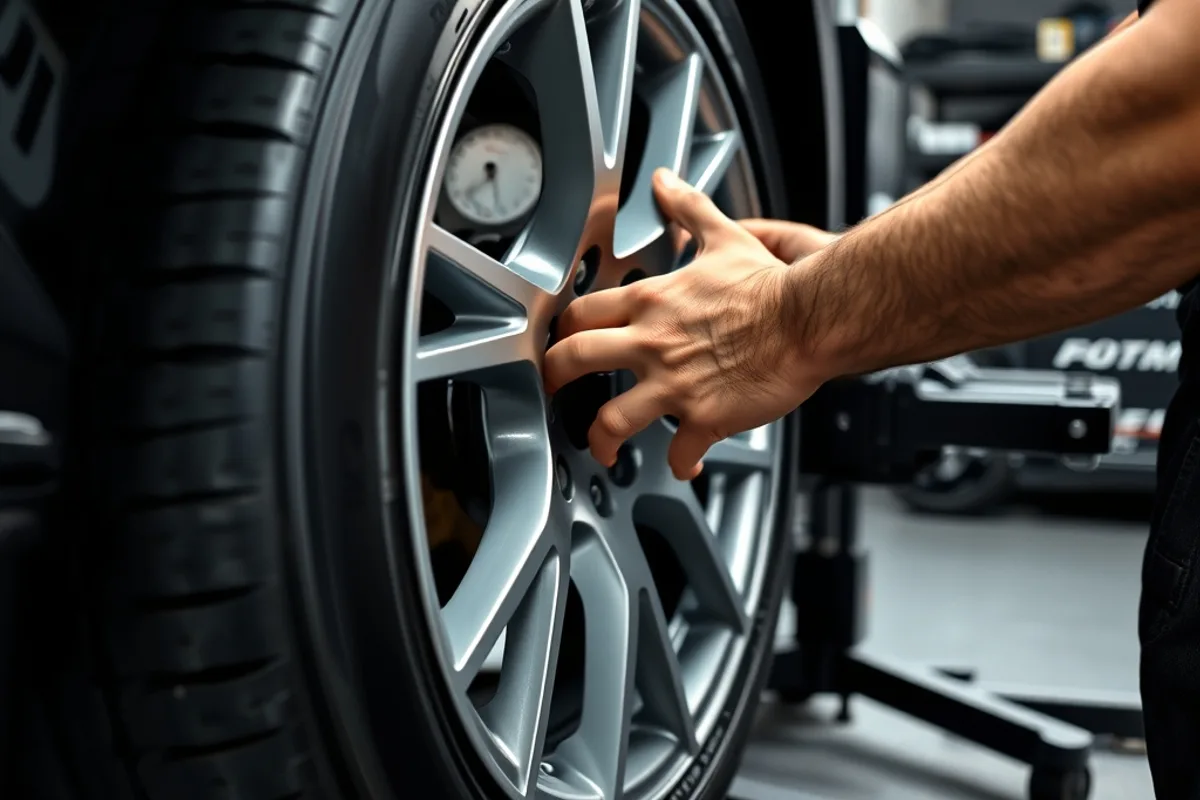
Offset is the distance between the wheel’s mounting face and its centre line. Changing it moves the tyre relative to the suspension and the body. Too little offset can cause the tyre to rub the arch or the liner; too much can foul the strut or the brake caliper.
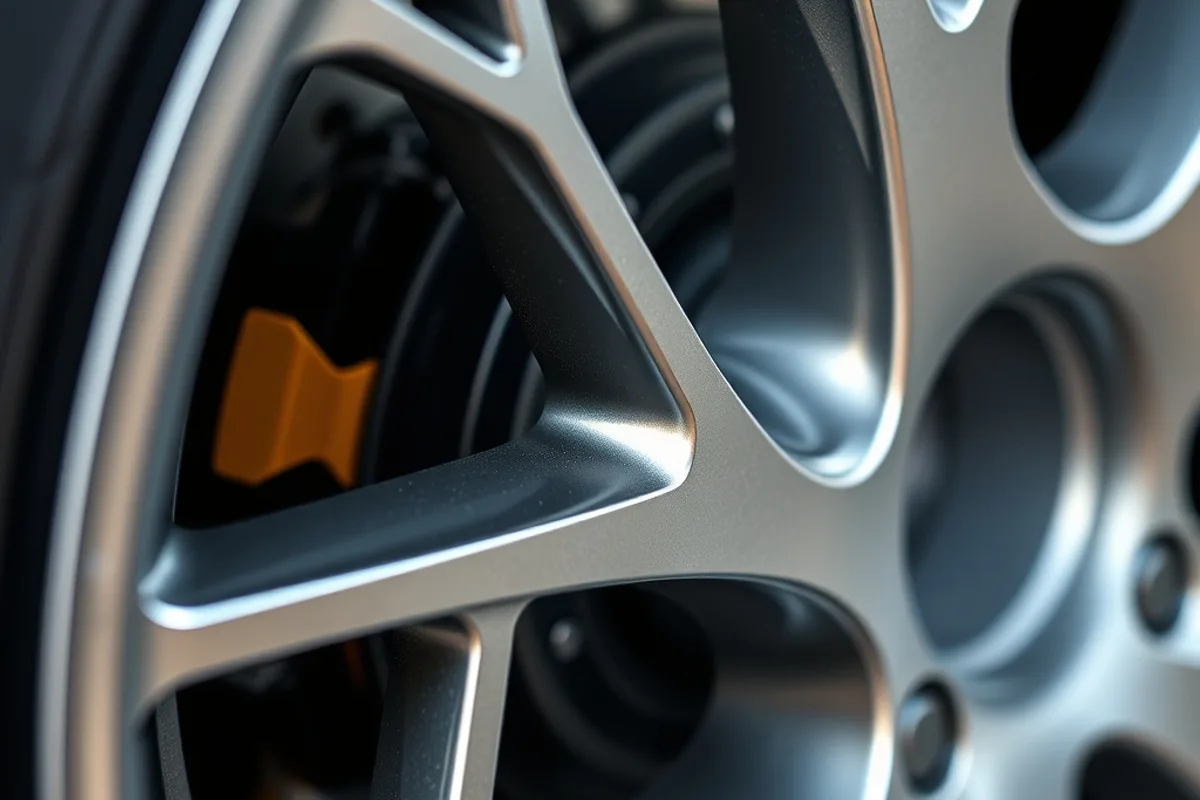
Measure clearance at full lock and full compression, not at ride height in a car park. Check the brake caliper to spoke clearance as well. A wheel that fits the hub can still fail to clear the brakes.
Load rating and insurance
The tyre load rating must meet or exceed the manufacturer’s requirement for the car’s axle load. A lower rating is not a performance upgrade; it is a safety compromise. Check the placard on the door jamb and match it.
Tell your insurer about any change in wheel and tyre size. In many markets an undeclared modification can void a claim or reduce a payout. Keep the receipt and the specification sheet.
The best wheel package is the one that makes the car quicker over a real road, not the one that photographs best in a car park.
Speedometer, gearing and the ECU
Changing overall diameter changes the speedometer reading and, on some cars, the gearbox shift points. Keep the difference within a few percent, or have the speedometer recalibrated where the platform allows it.
A larger rolling diameter also raises gearing, which can make the car feel slower to accelerate. A smaller diameter does the opposite and increases revs at highway speed. Decide which trade you want before ordering.
The sensible order
Choose a tyre first, then a wheel that fits it and the car. Buy the lightest wheel within budget. Fit quality tyres matched to climate and use. Align the car afterwards and re-check torque after 100 kilometres.
Our Car Modification desk pairs this with suspension advice, because wheels and dampers work as one system. The maintenance desk explains how to read tyre wear for alignment faults.