The used electric car market has matured enough that the interesting question is no longer whether an EV will work. It is whether this particular EV, with this particular battery, is worth the money. A badge and a range figure on a dealer sticker answer neither question.
Battery health is the single largest variable in used EV value. Two identical cars, registered a month apart, can differ by 8 percentage points of usable capacity and by several thousand in resale value. The difference rarely shows in photographs.
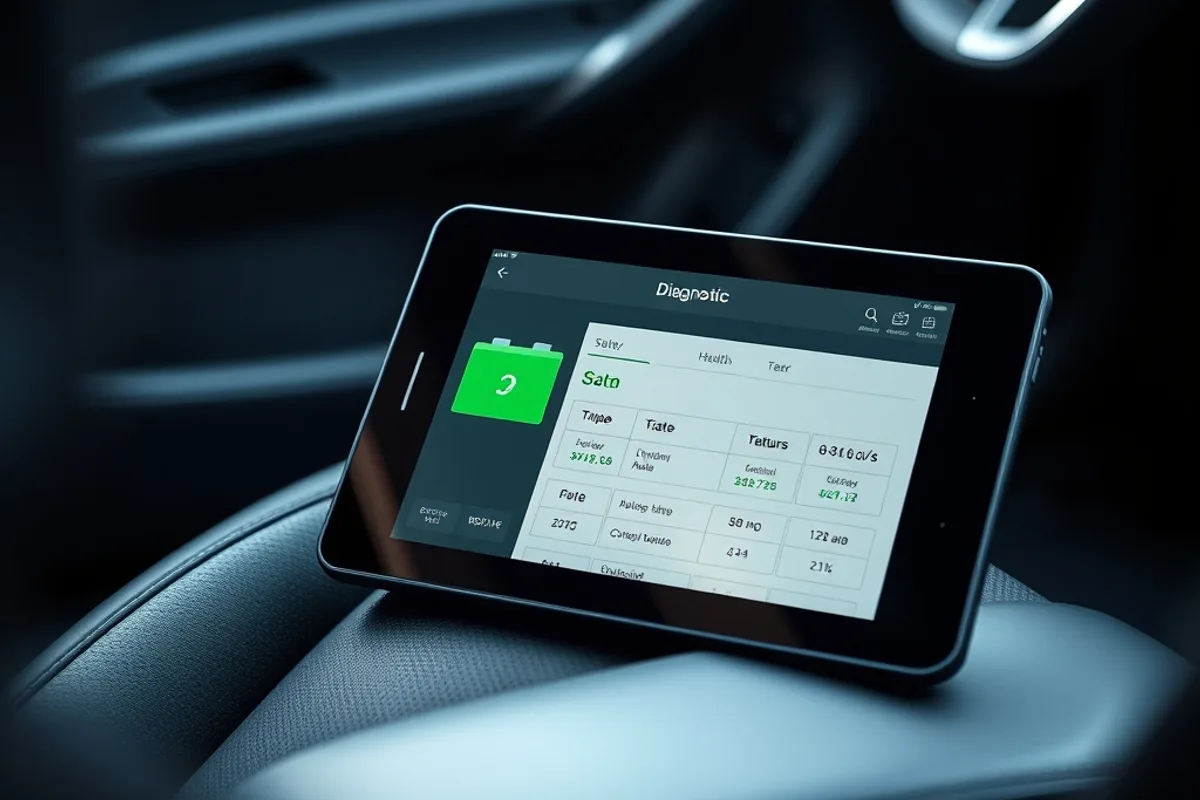
Start with a state-of-health report
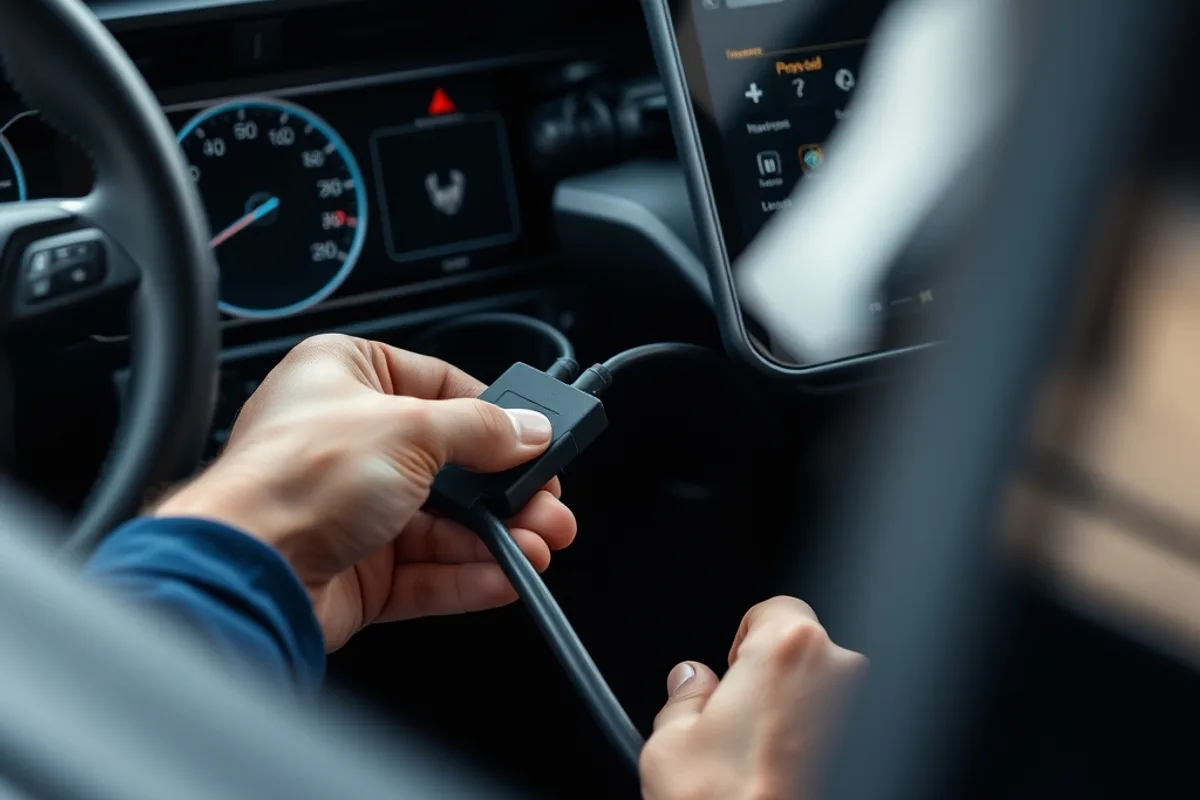
Ask the seller for a state-of-health screenshot from a diagnostic tool or the manufacturer app. A healthy three-to-five-year-old car usually sits between 88 and 94 percent of original usable capacity. Below 85 percent, expect a real range penalty and a harder resale.
Treat the number as a claim, not evidence. Some cars report capacity after a recent fast charge or in cold weather and look worse than they are; others were reset and look flattering. Ask when the reading was taken and at what state of charge.
The test drive that reveals degradation
Charge the car to 80 percent, reset the trip meter and drive a route you know, including a section at highway speed. Compare the indicated consumption with the car’s rated figure. Then check the remaining range and the percentage used. If the car claims 400 kilometres of range and consumes 20 kWh per 100 kilometres from a 60 kWh usable pack, the arithmetic should roughly agree. When it does not, ask why.
A second useful test is a fast-charge session. Start below 20 percent and watch the charging power. A healthy car should accept a meaningful peak for several minutes before tapering. A car that crawls from the first minute has either a cold pack, a software limit or a problem.
Charging hardware you inherit
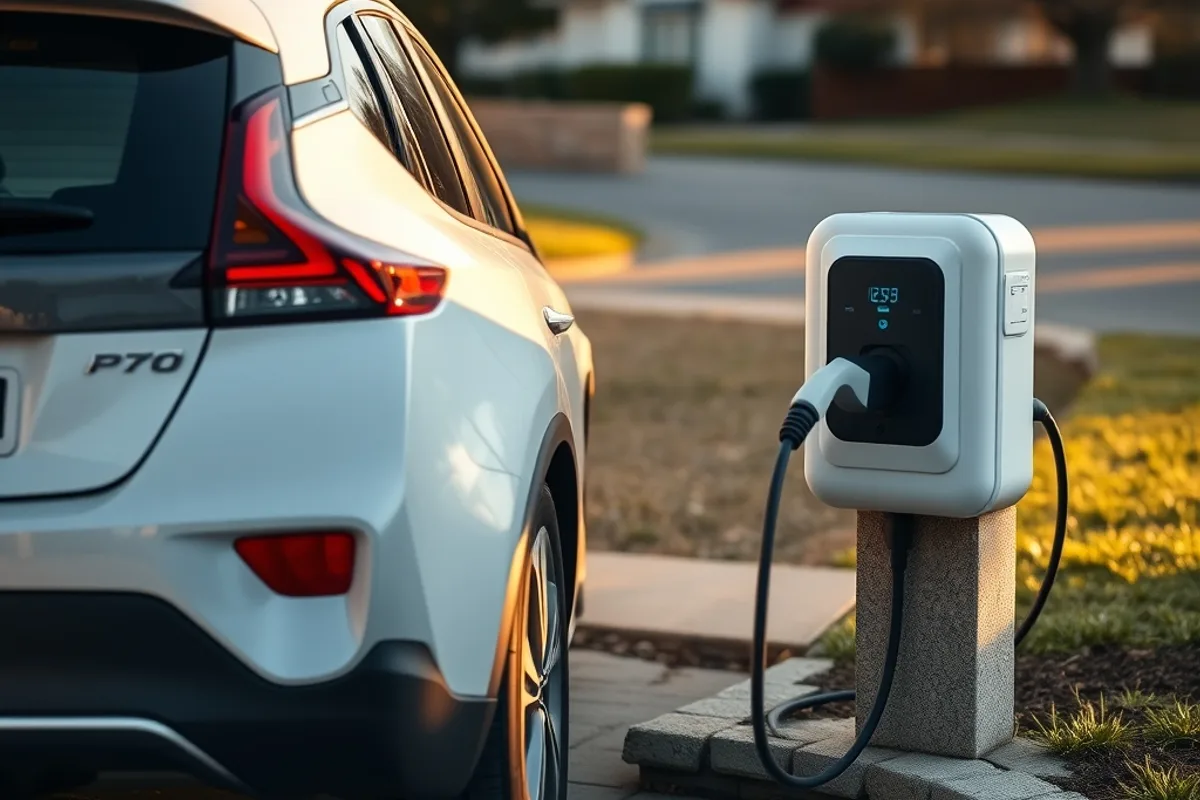
An older EV may come with a portable charger that maxes out at 10 amps, which means a full charge takes most of a night. It may also have a connector standard that is becoming rare in your region. Check what cable is included, what the onboard charger accepts and whether a home wallbox is already installed.
If you need to add a wallbox, budget 800 to 1,500 including installation and any electrical upgrade. That cost belongs in the purchase comparison, not in a separate mental budget you will forget.
Warranty transfer is part of the price
Most manufacturers offer a battery warranty of eight years or 160,000 kilometres, whichever comes first, often with a guaranteed minimum capacity of 70 percent. Confirm that the warranty transfers to a second owner in your country and that the service history has been maintained.
A car with two years of battery warranty left is worth more than an identical car with none. Price that difference deliberately. If the pack fails outside warranty, a replacement can cost more than the car is worth.
Range anxiety is mostly a charging question. Battery anxiety is a money question, and it is the one that should shape a used EV purchase.
What to walk away from
Walk away from a car with no health report, a seller who refuses a diagnostic scan, or a history of repeated fast charging combined with high mileage and no cooling system maintenance. Walk away faster from a car that has been repaired after a battery-impact collision without documentation.
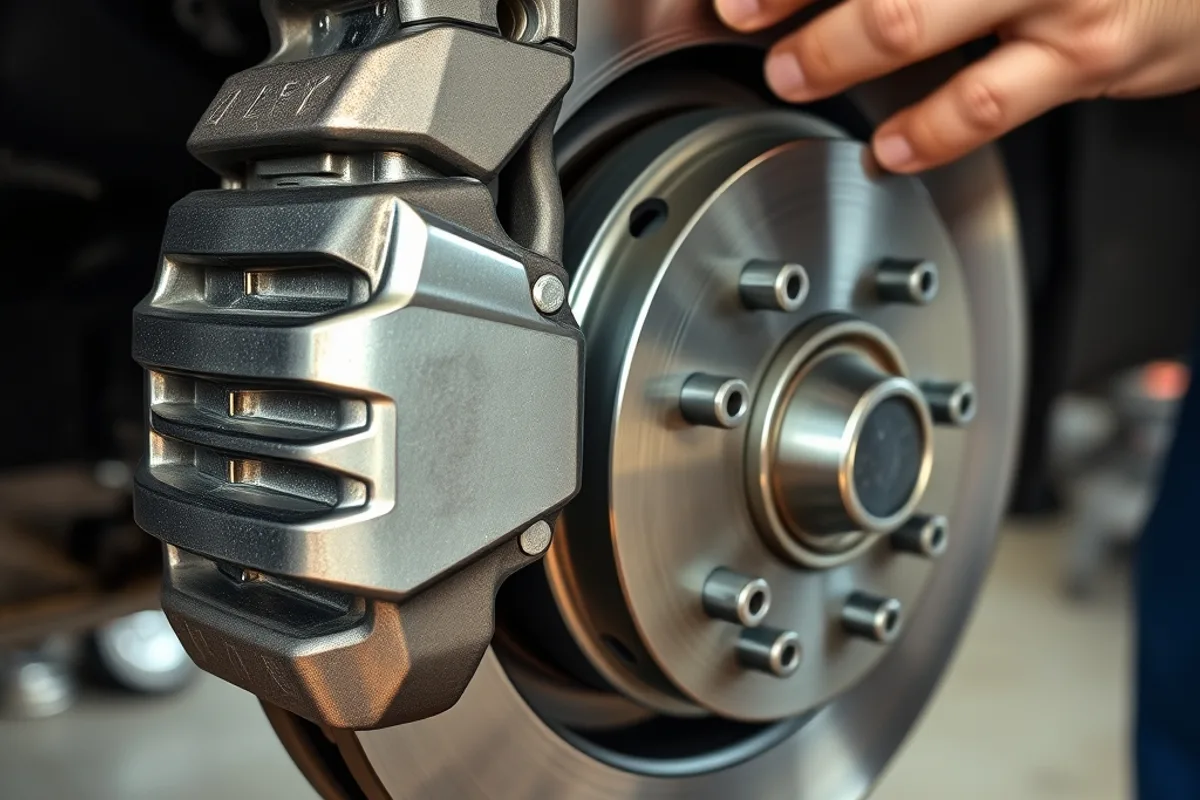
Also check the ordinary things. Tyres on an EV wear quickly because of instant torque and weight. Brakes can seize from lack of use. Suspension bushes take a beating from the extra mass. A used EV needs the same inspection as any used car, plus the battery work.
Key facts
- A healthy three-to-five-year-old EV typically retains 88 to 94 percent of usable capacity.
- Most battery warranties run eight years or 160,000 km with a 70 percent capacity floor.
- Adding a home wallbox costs roughly 800 to 1,500 including installation.
- Fast-charge behaviour during a test session reveals more than a dashboard range estimate.
- Battery warranty transfer can be worth several thousand in resale value.
The bottom line
Buy the newest battery you can afford inside a car you can inspect. A slightly older model with 93 percent health and a transferable warranty is a better purchase than a newer one with a vague history and a tempting price. Check the pack first, the paperwork second and the paint last.
More buying frameworks sit on the Car Reviews desk. If the car is already yours, the Automotive Tech desk explains the software and charging details that follow.