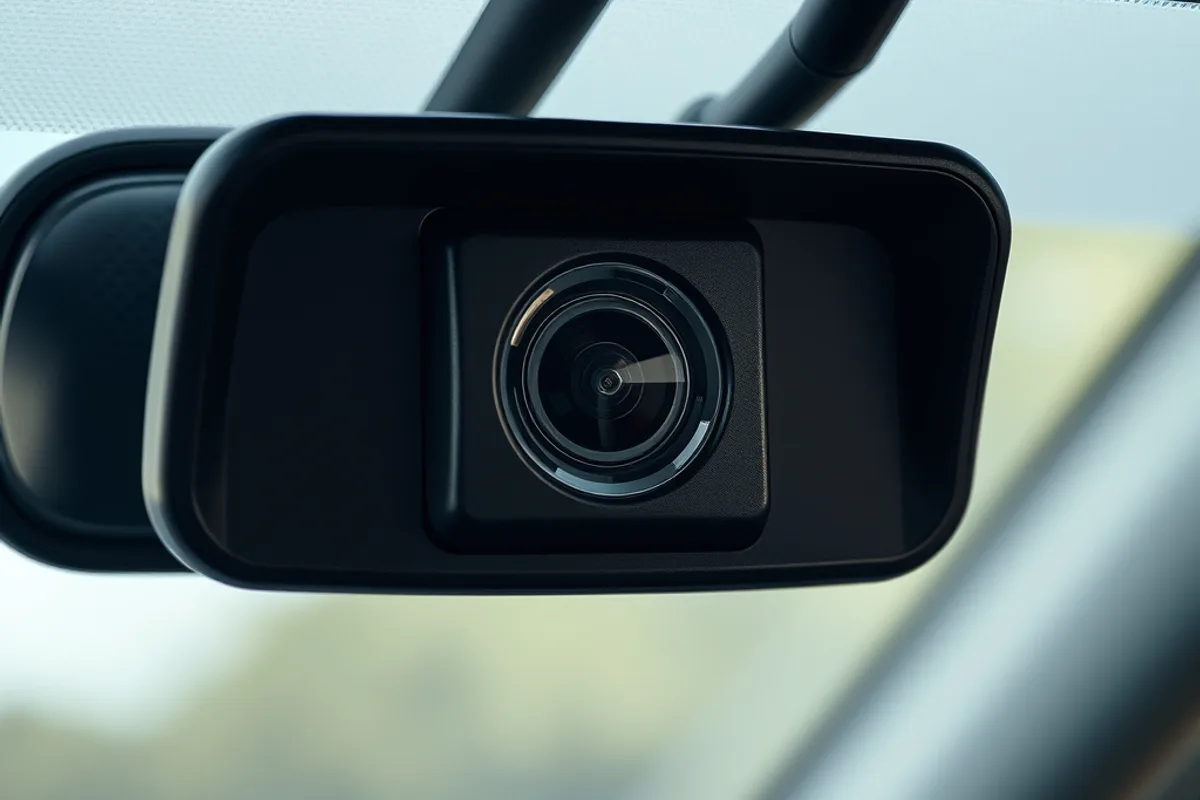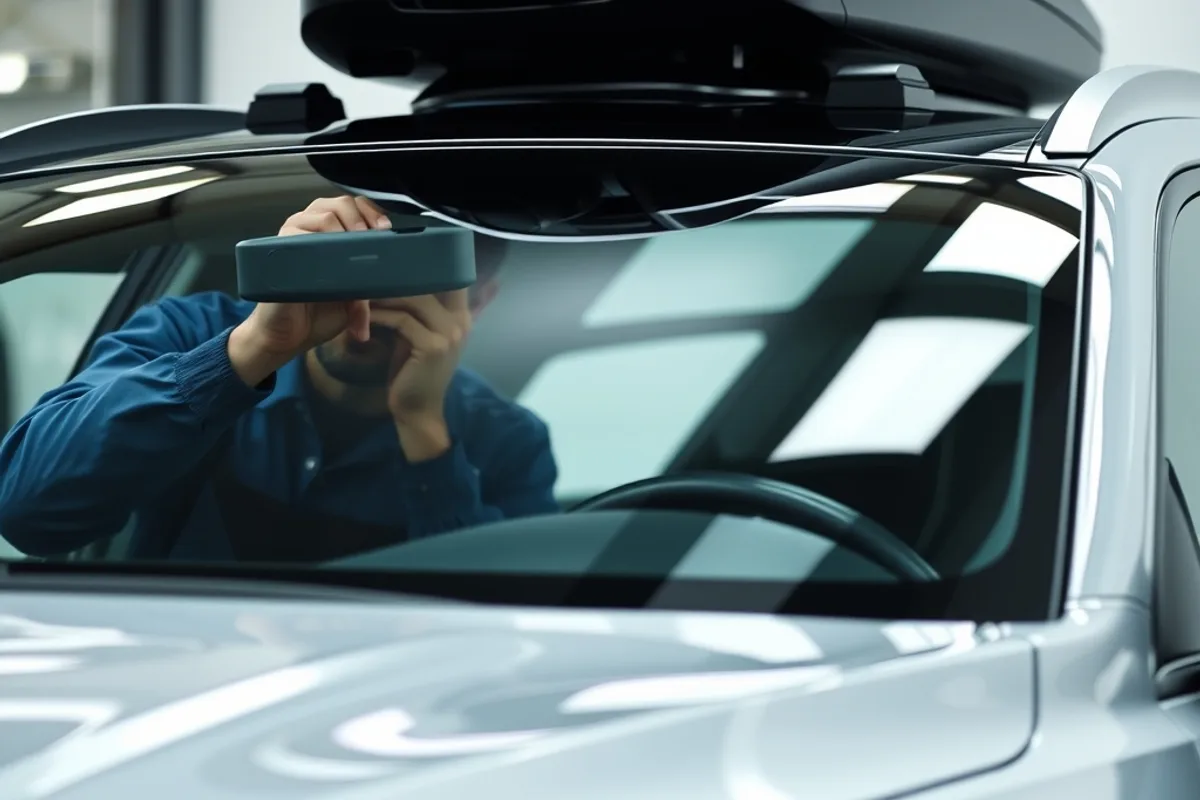
A windshield looks like a simple piece of glass. On a modern car it is also the mounting surface for a forward-facing camera that feeds lane keeping, automatic emergency braking and adaptive cruise control. Replace the glass and you move the camera, even if the new windshield is identical.
That is why calibration is part of the repair. A camera aimed a fraction of a degree off can misread a lane line or brake later than intended. The system may not warn the driver, because it still sees a road; it simply sees it slightly wrong.
Why the camera needs recalibration
The camera is rigidly mounted to the body, but the windshield’s curvature, thickness and bracket position vary within manufacturing tolerance. The replacement glass sits on a new bead of adhesive, and the camera bracket may be reused or replaced. Each of those steps changes the camera’s aim relative to the vehicle’s centre line.
Calibration teaches the system the new reference. Without it, the car is relying on values set for a different piece of glass.
Static versus dynamic calibration
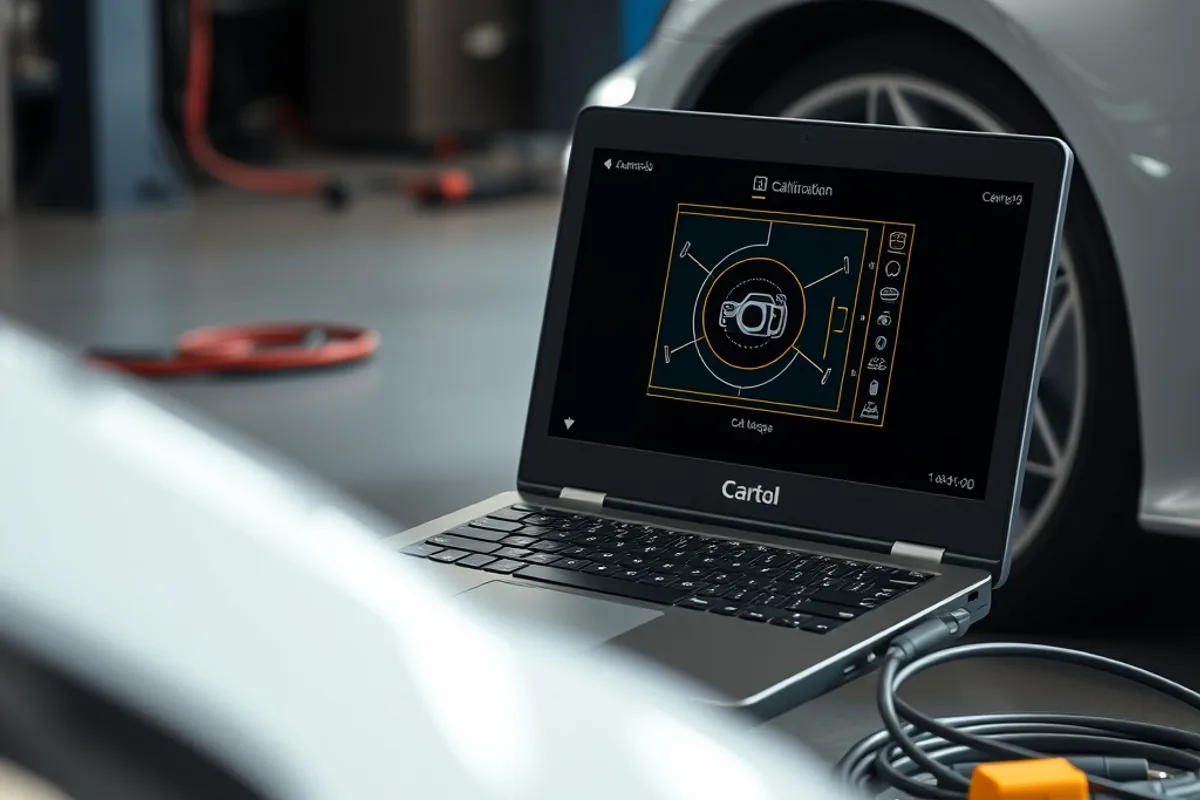
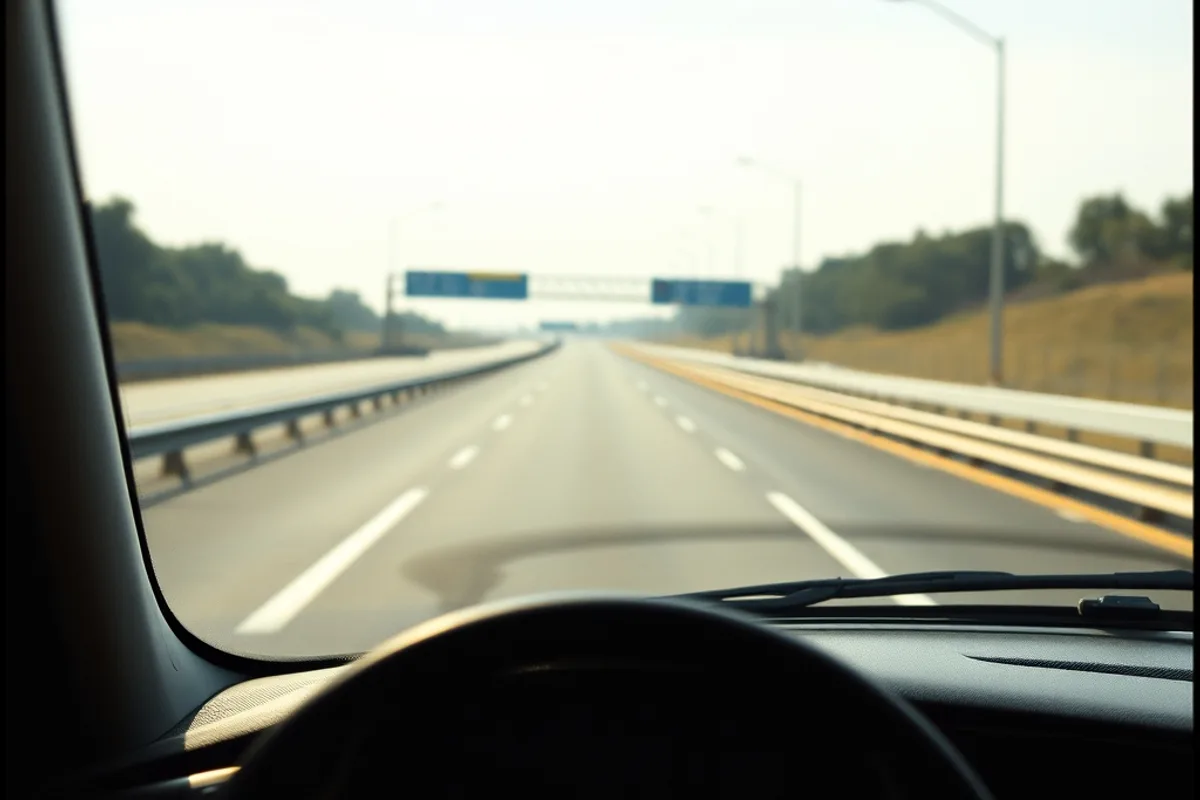
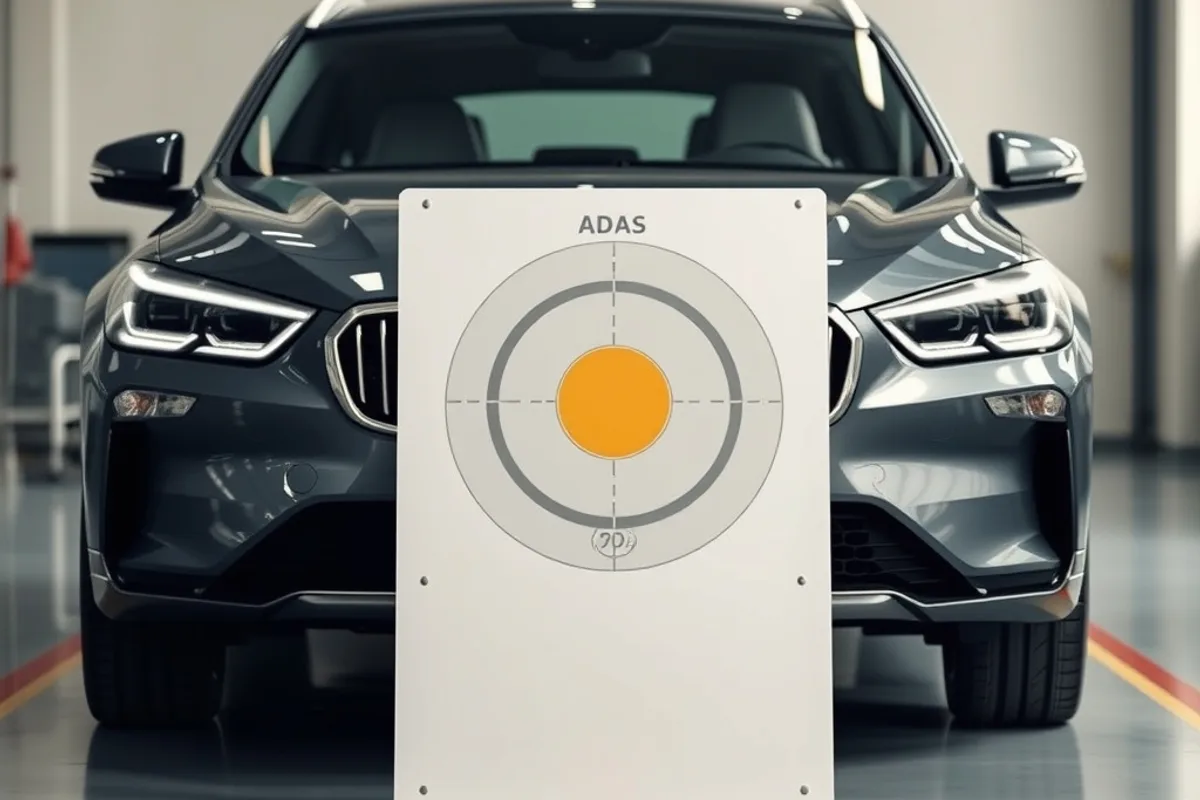
Static calibration uses target boards placed at precise distances in front of the car, on a level floor with controlled lighting. Dynamic calibration requires driving the car at specified speeds on clear roads with visible markings until the system completes its self-check. Many cars need both.
Ask which method the manufacturer specifies and whether the shop has the targets and the floor space. A shop that says “it calibrates itself” may be right for one model and wrong for another.
What triggers calibration
Windshield replacement is the common trigger, but not the only one. Suspension work, wheel alignment, a change in ride height, bumper or grille replacement, and collision repair near the camera or radar can all require it. A battery replacement that clears adaptive values may also reset learned calibration.
If a warning light appears after unrelated work, ask whether a calibration was disturbed rather than assuming the sensor failed.
A windshield is a safety sensor mount that happens to let light in. Price the glass and the calibration as one repair.
Questions to ask before booking
Ask whether calibration is included in the quoted price. Ask what equipment is used and whether the technician has the manufacturer procedure for your model. Ask for a printout or a screenshot showing the calibration completed. Ask whether a road test is part of the job.
Also ask about the camera bracket and any gel pad or lens heater. Reusing a worn pad can cause fogging or a poor optical path. The parts are small and the labour is already underway.
Signs it was not done properly
Watch for lane keeping that pulls to one side, adaptive cruise that follows a lane offset, automatic braking that triggers on shadows or a persistent warning light. These are not proof of a bad calibration, but they are reasons to return to the shop.
Do not test the system by deliberately letting the car drift. Use a clear road and normal driving. If the behaviour is inconsistent, document it with the date and conditions.
Cost and insurance
Calibration typically adds 150 to 400 to a windshield job, depending on the car and whether static targets are needed. Some insurers cover it as part of glass claims; some do not. Confirm before approving the work.
The Automotive Tech desk follows the software and sensor side of ownership. For the mechanical inspections that can also disturb calibration, see the Car Maintenance desk.